
Lambing season is a pivotal time in sheep farming, marked by the arrival of newborn lambs and the onset of common challenges during lambing that demand careful attention and preparedness.
Common challenges during lambing include dystocia, hypothermia, maternal rejection, infections, feeding difficulties, and predator risks. Being vigilant and prepared is essential for successful lambing in sheep farming.
For a comprehensive understanding of how to effectively manage and overcome these challenges during lambing season, read on to ensure the well-being of your newborn lambs and the success of your sheep farming endeavors.
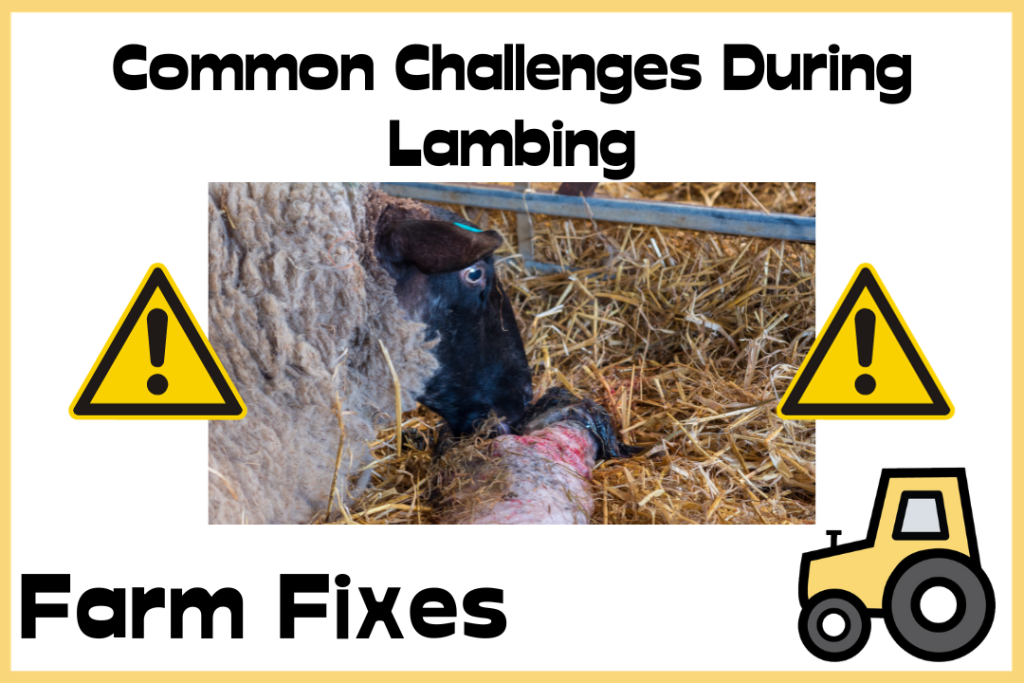
What is the importance of lambing in sheep farming, and why is it crucial to be prepared for common challenges during this process?
Lambing in sheep farming is like the grand finale of a long-running show, where the stars of the show—the adorable lambs—take center stage. It’s a time filled with excitement but also when we face some common challenges.
As a shepherd, I’ve learned that lambing is the heartbeat of our operation. It’s when our flock expands and the cycle of life continues. But it’s not all sunshine and rainbows. Challenges during lambing can test your skills and patience.
These challenges include dystocia (difficult births), hypothermia (chilled lambs), maternal rejection (bonding issues), infections (health concerns), feeding challenges (nutrition), and the threat of predators and environmental hazards. Being prepared for these issues is crucial for successful lambing in sheep farming.
What to Watch For:
During lambing, watch for signs of distress in ewes, such as prolonged labor or abnormal birthing positions. Look for shivering or weak lambs, indicative of hypothermia. Observe ewe-lamb interactions to ensure bonding. Watch for signs of infection like disorientation or loss of appetite. Monitor lamb feeding, ensuring they receive adequate nutrition. Be vigilant for signs of predator presence or adverse environmental conditions.
Lambing is vital because it’s when we bring new life into our farm—the future of our herd. Challenges like dystocia, where lambs struggle to be born, can be challenging, requiring a helping hand. Hypothermia can sneak up on lambs, so being vigilant and prepared is essential. Remembering infections or feeding troubles is critical, which can dampen things if not handled promptly.
Preparing for these common challenges during lambing is critical, ensuring the well-being of your flock and making the lambing season a truly rewarding experience for both seasoned shepherds and beginners alike.
Dystocia: Difficult Births
When it comes to lambing, dystocia, or difficult births, it is a challenge I’ve faced more than once as a shepherd. It’s like a roadblock during an important journey that needs quick thinking and action. The telltale signs are clear—a ewe in labor struggling excessively or a lamb stuck in the birth canal.
The key point is that various factors can trigger dystocia, from oversized lambs to incorrect positioning. Vigilance is crucial. A gentle intervention, using lubrication, can ease the situation. However, if the lamb remains stuck for too long, it’s time to step in and assist, ensuring the safety of both the lamb and the ewe.
Equipping yourself with necessary supplies like clean towels and obstetrical lubricant is essential. A calm demeanor and a gentle touch can make a significant difference during a challenging birth. Remember, being prepared for dystocia is about safeguarding the new life on your farm and ensuring a smooth lambing season.
Hypothermia: Chilled Lambs
I’ve been a shepherd for years, and facing hypothermia in lambs is an experience that stays with you. It’s like a sudden storm on a sunny day, catching you off guard. The signs are subtle but critical—shivering, weakness, or a low body temperature.
A crucial point to remember is that lambs are vulnerable to hypothermia, especially in cold or wet conditions. When you spot these signs, acting swiftly is essential. Gently dry the lamb and provide a warm environment using a heat lamp or warm towels. Feeding them promptly is also crucial to restore their energy and warmth.
Preventing hypothermia is all about being prepared. Have a designated lambing area with proper heating equipment. Towels, blankets, or a warming box can be lifesavers. Keep a close eye on the weather forecast during lambing season and take necessary precautions when adverse conditions are expected.
Being vigilant for signs of hypothermia is a vital aspect of successful lambing. It ensures the well-being and growth of these young lives, making the lambing season a fulfilling and rewarding experience for any shepherd.
Maternal Rejection: Ewe-Lamb Bonding Issues
I’ve witnessed firsthand the trials and tribulations of maternal rejection during lambing. It’s like a puzzle with missing pieces, leaving you wondering if the ewe and lamb will ever connect.
One key takeaway is that maternal rejection can happen for various reasons, whether a first-time mother or a stressed ewe. The signs are subtle but essential to notice: a ewe ignoring her lamb, not allowing nursing, or even displaying aggression toward the newborn.
When you see these signs, prompt action is crucial. Isolate the ewe and lamb in a small, quiet space to encourage bonding, or try fostering the lamb to another ewe if necessary. Sometimes, patience can go a long way, and the bond will eventually form.
Preventing maternal rejection involves providing a stress-free environment during lambing, ensuring the ewe and lamb can interact without disturbance. Being vigilant for these bonding issues can significantly affect the overall success of lambing season. It’s about fostering those essential connections between ewes and their newborns, ensuring their well-being on the farm.
Infections: Lamb Health Concerns
Dealing with lambs’ infections has been challenging and crucial for their well-being. It’s like navigating a maze where the prize is the lamb’s health, and vigilance is your guiding light.
One vital lesson I’ve learned is that infections can manifest in various ways: a lamb seeming lethargic, loss of appetite, or even visible signs of discomfort. It’s like the lamb is trying to tell you something isn’t right, and it’s important to listen.
When you notice these signs, prompt action is vital. Isolate the infected lamb to prevent the spread of infection and consult a veterinarian for appropriate treatment. Sometimes, a straightforward course of antibiotics can make a significant difference.
Preventing infections starts with maintaining a clean and hygienic lambing environment. Proper sanitation, regular health checks, and timely vaccinations can go a long way in keeping infections at bay.
Vigilance for signs of illness is key to ensuring the overall health and vitality of the lambing season. It’s about safeguarding these young lives and ensuring a thriving flock on the farm.
Feeding Challenges: Ensuring Proper Nutrition
Feeding challenges in lambs are like a puzzle where the missing piece is proper nutrition. It’s a balancing act that can sometimes feel like walking a tightrope.
One thing I’ve learned is that feeding challenges come in various forms. Some lambs may struggle to latch onto the ewe’s teat, while others might not suckle enough. Signs can be subtle—a lamb appearing weak or not gaining weight as expected.
When you spot these signs, quick action is essential. Offering supplemental feeding with a bottle or tube can help these struggling lambs get the necessary nourishment. It’s about ensuring their growth and vitality.
Preventing feeding challenges starts with monitoring ewe-lamb interactions closely and addressing any bonding issues promptly. Ensuring adequate colostrum intake within the first few hours of life is critical for a strong start.
Sometimes, extra attention and patience can make all the difference in ensuring proper nutrition for your lambs. It’s about setting them on the path to a healthy and thriving life on the farm.
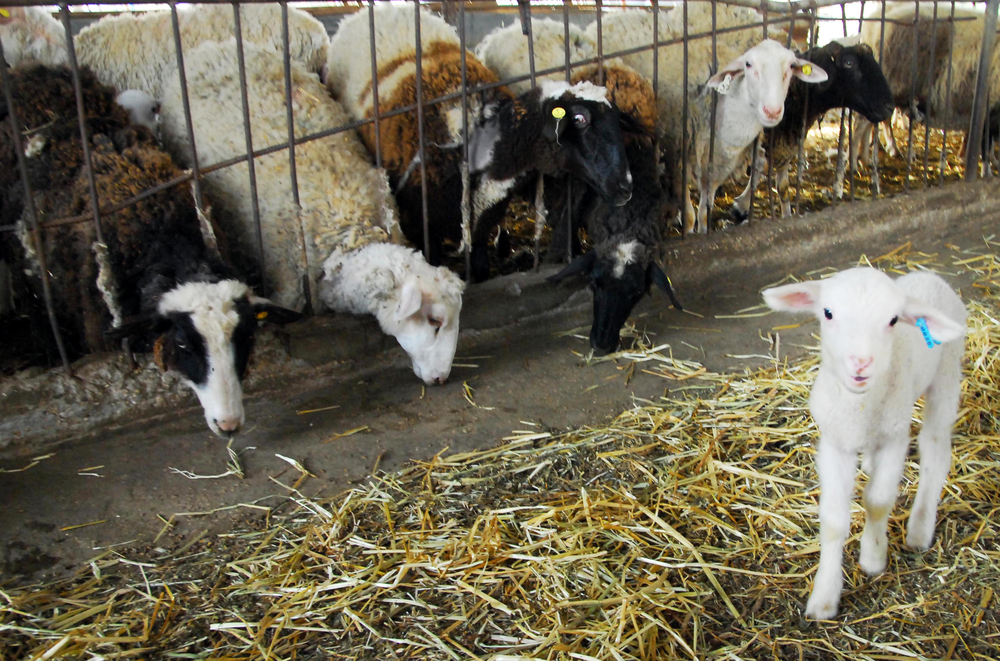
Predators and Environmental Hazards
The threats posed by predators and environmental hazards have been experiences I won’t forget. It’s like guarding your flock against hidden dangers, a constant battle to keep them safe.
One valuable lesson I’ve learned is that these threats can strike anytime. Predators like foxes, coyotes, or birds of prey can be stealthy, and you may only notice when it’s too late. Signs often include missing lambs or ewes in distress.
When you see these signs, swift action is essential. Implement secure fencing, guardian animals, or even night-time confinement. Keeping a watchful eye during lambing season is vital, as newborns are especially vulnerable.
Preventing predator and environmental hazards involves maintaining a secure and well-maintained farm environment. Regularly inspect fencing and make necessary repairs. Protecting against extreme weather, like sudden storms or extreme cold, is also crucial.
Vigilance is the key. Watching out for signs of predators and being prepared for environmental challenges ensures the safety and security of your flock. It’s about providing a haven for your sheep, allowing them to thrive in a protected and nurturing environment on the farm.
Also Read: How to Ensure Healthy Growth in Your Lambs: Nutrition Tips
Conclusion
As a shepherd deeply committed to the well-being of my flock, these insights and experiences form the foundation of my approach to lambing season. Lambing, with its blend of joy and challenges, is the heartbeat of our farm. Each birth is a testament to the cycle of life and the future of our herd.
Navigating through common challenges like dystocia, hypothermia, maternal rejection, infections, feeding hurdles, and threats from predators and environmental hazards, I’ve realized the essence of preparedness. It’s about staying alert and equipped to act swiftly when needed.
The intricacies of lambing involve more than just witnessing new life—it entails being a guardian and nurturer. It’s about fostering the critical ewe-lamb bond, ensuring proper nutrition, and providing a haven amidst potential threats.
Every lambing season, I strive to better my preparedness and expand my knowledge to mitigate challenges. It’s an ongoing journey, a continuous commitment to the health and vitality of my flock, and a profound appreciation for the circle of life within sheep farming.
Additional Resources
A. For further information on lambing and sheep care, consider exploring these valuable resources:
- Sheep101: An informative website covering a wide range of topics related to sheep farming, including lambing and care.
- Storey’s Guide to Raising Sheep: A comprehensive book offering practical advice on sheep farming, including lambing and health care.
- American Sheep Industry Association: The official website of ASI provides resources, publications, and links to educational materials.
B. Contacting local veterinary services and sheep farming organizations can be invaluable for specific guidance and support. Here are some suggestions:
- American Veterinary Medical Association (AVMA): AVMA can help you locate a local veterinarian experienced in livestock care.
- Your State’s Department of Agriculture: Contact your state’s agriculture department for information on local sheep farming organizations and resources.
C. To deepen your knowledge of lambing and sheep care, consider these recommended books and courses:
- “Lambing and Lamb Care” by Laura Lawson: This book provides practical insights into lambing management and care.
- “Sheep Production Handbook” by the American Sheep Industry Association: A comprehensive guide covering all aspects of sheep farming.
- Online courses like those offered by universities or agricultural extension services, such as the University of California Agriculture and Natural Resources, often provide in-depth training on sheep farming and lambing.
- Local agricultural colleges or universities may offer courses on sheep farming and husbandry, which can be highly beneficial for hands-on learning.
These additional resources will equip you with the knowledge and support you need to excel in lambing and sheep care, ensuring the well-being of your flock and the success of your sheep farming endeavors.