
Properly feeding your lambs is essential for their growth and well-being, and in this article, we’ll provide you with six important tips to ensure you’re meeting their nutritional needs.
Feeding your lambs requires understanding their nutritional needs, choosing appropriate feeds, establishing a schedule, monitoring portions, providing clean water, and observing health, all essential for their overall health and development.
Read on to learn more about these vital tips for feeding your lambs and ensuring their health and happiness.
Tip #1: Understand Their Nutritional Needs
Understanding your lambs’ nutritional needs is the first step in ensuring their health and growth. As a lamb owner, I’ve learned that getting this right makes a significant difference. Lambs have unique dietary requirements at different stages of their development.
When newborns, lambs primarily rely on their mother’s milk for the first few weeks. This milk provides essential nutrients and antibodies crucial for their early growth and immunity. After this period, you can gradually introduce solid feeds into their diet.
A common relevant point is that you should slowly transition lambs to solid feeds to avoid digestive issues. Start with small amounts and gradually increase the quantity as they adapt. Also, consult with a veterinarian to create a balanced diet plan for their nutritional needs.
As your lambs grow, their nutritional needs change, so be prepared to adjust their diet accordingly. It’s essential to watch their health and behavior, as this can be a good indicator of whether their nutritional needs are being met.
Let’s move on to the next tip: “Choose the Right Feed.” This step is equally vital in ensuring your lambs thrive.
Tip #2: Choose the Right Feed
Selecting the suitable feed for your lambs is a critical aspect of their care, and I’ve had firsthand experience with it as a lamb owner. The type of feed you choose can significantly impact their health and growth.
One common relevant point is that lambs have different dietary needs depending on their age and purpose. For example, lambs raised for meat might require an other diet than those kept for wool production. Consult a livestock specialist or vet to determine the best feed for your situation.
Another thing I’ve learned is to opt for high-quality feed that’s free from contaminants like mold. Freshness matters, too. Ensure your feed is stored correctly to maintain its quality.
As your lambs grow, their nutritional needs may change, so be ready to adjust their diet accordingly. And remember, observing their behavior and overall health is essential. It can determine if they’re getting the suitable feed or if any changes are needed.
Let’s dive into the following tip: “Establish a Feeding Schedule.” Proper timing can make a big difference in their development.
Also Read: Why is Colostrum Important for Newborn Lambs?
Tip #3: Establish a Feeding Schedule
Setting up a feeding schedule for your lambs is a practical way to ensure they get nourishment. In my experience as a lamb owner, it has made a noticeable difference in their growth and overall health.
One thing I’ve found crucial is consistency. Lambs thrive on routine, so try to feed them at the exact times each day. When they’re very young, they need more frequent feedings, often four to six times daily. As they grow, you can gradually reduce the frequency.
A common relevant point to remember is to avoid sudden changes in their schedule if you need to adjust feeding times gradually over a few days to avoid stressing them.
It’s also essential to observe your lambs. They’ll let you know if they’re hungry or not. It’s a good sign they’re on the proper schedule if they eat eagerly. If they leave food behind, they may get too much or need more.
Let’s move on to the next tip: “Monitor Portion Sizes.” This step will help you fine-tune your lamb’s diet to perfection.
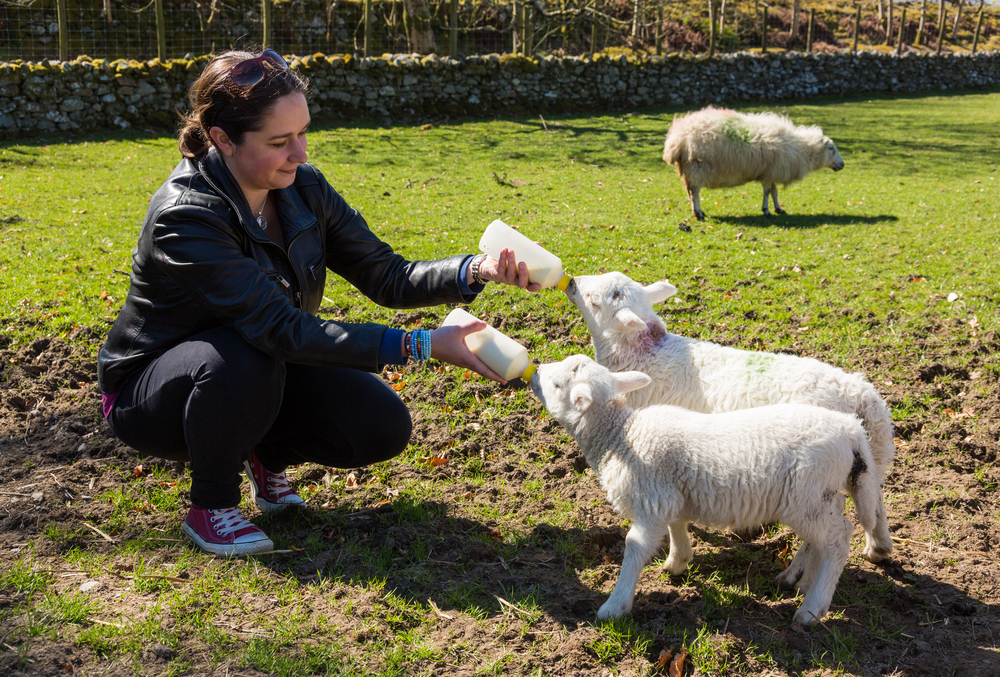
Tip #4: Monitor Portion Sizes
Keeping an eye on portion sizes when feeding your lambs is vital for their health. From my experience as a lamb owner, I’ve learned that getting this right can be the key to their well-being.
One important point is that overfeeding can lead to health issues, including digestive problems and obesity. On the other hand, underfeeding can stunt their growth. It’s a delicate balance that requires close observation.
The key is accurately measuring feed portions and adjusting as your lambs grow. Start with smaller portions and gradually increase them as they mature. Their nutritional needs change as they age, so stay attentive and adapt their diet accordingly.
Observing your lambs’ behavior during mealtime is also insightful. You’re likely on the right track if they’re eagerly eating and finishing their meals without signs of discomfort.
Let’s delve into the tip: “Provide Clean and Fresh Water.” This aspect of their care is as crucial as their food intake and is significant in their overall health and well-being.
Tip #5: Provide Clean and Fresh Water
Ensuring that your lambs have access to clean and fresh water is a must for their well-being, and I’ve witnessed the positive impact of this firsthand as a lamb owner.
One common relevant point to remember is that water plays a vital role in digestion and nutrient absorption. Lambs can quickly dehydrate, especially in hot weather or when nursing. So, always make sure their water source is clean and replenished regularly.
I’ve found it helpful to use water containers that are easy to clean, as keeping the water clean is crucial to prevent illness. Additionally, it’s essential to ensure the water doesn’t freeze during winter, as lambs need access to water year-round.
Observing your lambs is key. If they drink water regularly, it’s a sign that they are well-hydrated. Conversely, it’s time to take action if they’re not drinking or showing signs of dehydration.
Let’s move on to the final tip: “Observe Health and Behavior.” This step involves keeping a keen eye on your lambs’ overall well-being, ensuring they stay happy and healthy.
Tip #6: Observe Health and Behavior
Watching your lambs’ health and behavior is crucial to their care, and I’ve come to appreciate its significance as a lamb owner.
One common relevant point is that lambs can’t always vocalize their discomfort, so we must be vigilant. Look for changes in their behavior, such as reduced activity, isolation from the flock, or a lack of interest in food. These can be early indicators of health issues.
Checking their physical condition is also essential. Ensure they maintain a healthy body weight and have a shiny, clean coat. Any signs of weight loss, diarrhea, or dull fur should be addressed promptly.
Regularly inspect their hooves and eyes, too, as lambs can be prone to infections in these areas. Keep an eye out for any signs of lameness or eye discharge.
By observing their health and behavior, you can catch potential problems early and seek veterinary care when needed. Remember, proactive monitoring is key to keeping your lambs thriving and happy.
Also Read: How to Ensure Healthy Growth in Your Lambs: Nutrition Tips
Conclusion
In my experience as a lamb owner, these six tips have been instrumental in ensuring the well-being and growth of my flock. Understanding their nutritional needs, selecting a suitable feed, establishing a feeding schedule, monitoring portion sizes, providing clean water, and observing their health and behavior are all integral parts of responsible lamb care.
It’s not just about feeding but nurturing a healthy, happy, and thriving herd. Applying these tips and staying attentive to their evolving needs can foster a strong bond with your lambs while ensuring they lead a life filled with vitality and contentment.