
Proper nutrition is the cornerstone of ensuring healthy growth in your lambs, and in this article, we will provide you with essential tips and guidance to help you optimize their dietary needs.
To ensure healthy lamb growth, focus on nutrition. Choose appropriate feeds, establish feeding schedules, provide necessary supplements, monitor their progress, and follow essential tips for optimal development.
Read more to find out more about these crucial steps.

What are the key nutritional needs of lambs for healthy growth?
Lambs, just like us, have their nutritional must-haves for healthy growth. As a farmer, I’ve learned that one essential aspect is quality forage. A nutritionist once told me, “Lambs thrive when they get a balanced diet of fresh forage.” This means green, leafy pastures or good hay that provides essential vitamins, minerals, and fiber.
Protein is another key factor. I’ve found that lambs require a protein source for muscle development. Common protein-rich feeds include alfalfa and clover. You can also add some grain or specially formulated lamb pellets.
Now, remember the water. Lambs need a constant supply of clean, fresh water. It aids in digestion and overall well-being.
Minerals and vitamins are crucial. A reputable source like the American Sheep Industry Association (ASI) recommends providing a mineral mix specifically designed for sheep. This ensures they get the right balance of nutrients for healthy growth.
How should I select the right feed for my lambs to ensure their health and growth?
Choosing the right feed for your lambs is vital for their health and growth. From my farming experience, I’ve learned that the key is providing a balanced diet that meets their nutritional needs.
First and foremost, consider their age. Newborn lambs need milk or milk replacer for the first few weeks of life. You can gradually introduce solid feeds like high-quality hay and specially formulated lamb pellets as they grow. These feeds contain essential nutrients to support healthy development.
It’s crucial to select feeds with the right protein content. Look for feeds labeled specifically for lambs, formulated to meet their protein requirements. Additionally, consider the quality and freshness of the feed. Poor-quality or moldy feed can harm your lambs’ health.
Remember to provide clean, fresh water at all times. Hydration is key for digestion and overall well-being.
Lastly, monitor your lambs’ growth and adjust their feed accordingly. Each lamb is unique, and their needs may vary. Observing their condition and consulting with a veterinarian can ensure they get the right feed for optimal health and growth.
Also Read: Preventing and Treating Common Lamb Illnesses: A Novice’s Guide
What is the recommended feeding schedule and quantity at different stages of lamb development?
Feeding lambs at different stages of their development requires a learning curve, but it’s essential for their well-being. Based on my own experiences as a farmer, here’s what I’ve learned:
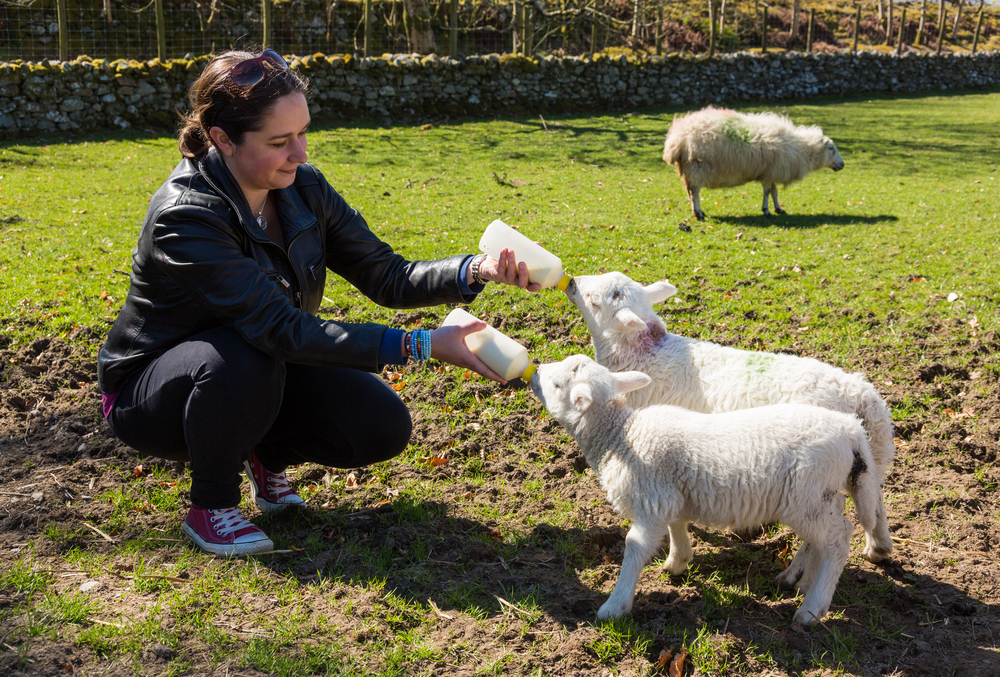
Neonatal lambs need frequent small meals, usually every 2-4 hours. Milk or milk replacer is their primary diet at this stage. Observing them and ensuring they’re getting enough nutrition is crucial.
As they grow, you can transition them to solid feeds. Around 3-4 weeks, start introducing high-quality hay. By 6-8 weeks, they should eat hay and specially formulated lamb pellets. The quantity can vary, but offering enough feed to keep them interested but not overfed works well.
For growing lambs, continue with the hay and pellets. The amount depends on their weight and growth rate. A good rule of thumb is to provide about 2-4% of their body weight in dry matter daily.
Throughout their development, always ensure they have access to clean, fresh water. Hydration is key to their digestion and overall health.
Monitoring their condition and consulting with a vet can help fine-tune the feeding schedule and quantity for each lamb’s unique needs.
Are there specific vitamins and minerals I should be supplementing in my lamb’s diet?
In my experience as a farmer, ensuring that your lambs get the right vitamins and minerals is crucial for their health and growth. While I’m no nutritionist, I’ve learned some key points:
Vitamins: Lambs typically need vitamins A, D, and E for healthy development. These vitamins support various bodily functions, including bone growth and immune system health. A well-balanced diet that includes fresh forage and quality feed usually covers their vitamin needs.
Minerals: Important minerals for lambs include calcium, phosphorus, and selenium. Calcium is vital for strong bones and teeth, while phosphorus is essential for energy metabolism. Selenium supports the immune system. Mineral supplements or specially formulated mineral mixes designed for sheep can help ensure they get the right balance.
Salt: Lambs need access to salt for maintaining fluid balance and proper nerve function. Offering a salt block or loose salt can help meet this need.
It’s always a good practice to consult with a veterinarian or nutritionist to determine the specific needs of your lambs and whether any supplements are required to fill any nutritional gaps.
Also Read: Feeding Your Lambs: 6 Tips
How can I monitor my lamb’s growth and nutrition to make necessary adjustments?
Monitoring your lamb’s growth and nutrition is crucial for their well-being. Here’s what I’ve learned from my experience as a farmer:
Regular Weighing: One effective way to track your lamb’s growth is by regularly weighing them. A simple livestock scale can help you keep tabs on their weight gain. Healthy lambs should steadily gain weight so that any significant deviations can signal potential issues.
Body Condition Scoring: Another helpful technique is body condition scoring. You can gauge their health and nutritional status by assessing their overall body condition. A lamb with an ideal body condition should have well-covered ribs without being overweight.
Observation: Simply observing your lambs daily can provide valuable insights. Look for signs of vitality, such as a shiny coat and alert behavior. If a lamb appears lethargic, is not eating, or shows any abnormal symptoms, it’s essential to investigate and make necessary adjustments to their diet or consult a vet.
Consulting Experts: When in doubt, feel free to seek advice from experienced farmers, veterinarians, or nutritionists. They can guide nutrition and growth tracking tailored to your specific flock.
By combining these methods and staying attentive to your lamb’s needs, you’ll be better equipped to adjust their diet and ensure their healthy growth.

What are some practical tips and best practices for ensuring the healthy growth of lambs through proper nutrition?
Based on my experience as a farmer, here are some practical tips and best practices for ensuring the healthy growth of lambs through proper nutrition:
High-Quality Feed: Start with a suitable feed. Quality hay, specially formulated lamb pellets, and access to fresh pastures can provide the necessary nutrients for growth.
Gradual Transition: Do it gradually when transitioning from milk to solid food. This helps lambs adjust to their new diet without digestive issues.
Clean Water: Always ensure your lambs can access fresh water. Dehydration can hinder growth.
Monitor Weight: Regularly weigh your lambs to track their growth progress. Adjust their diet as needed to maintain steady weight gain.
Avoid Overfeeding: While providing enough food is important, overfeeding can lead to health problems. Follow recommended feeding guidelines based on weight and age.
Proper Supplementation: Consult a vet or nutritionist to ensure your lamb’s diet includes necessary vitamins and minerals. Supplement only when deficiencies are confirmed.
Observe Behavior: Watch your lambs’ behavior. Active, curious lambs are usually healthier. Lethargy or isolation may signal health issues.
Quarantine Newcomers: If introducing new lambs to the flock, quarantine them briefly to prevent the spread of disease.
By following these practical tips and best practices, you can promote the healthy growth of your lambs through proper nutrition, setting them up for a thriving and productive future.
Conclusion
My journey as a farmer has taught me that ensuring healthy growth in lambs through proper nutrition is both an art and a science. The key takeaway is that there’s no one-size-fits-all approach. Each lamb is unique, and their dietary needs may vary.
Balancing their diet with high-quality feeds, monitoring their growth, and adjusting as necessary is paramount. It’s essential to consider their age, gradually transition them to solid foods, and always provide clean water. Regular weight checks and body condition scoring help ensure they’re on the right track.
Supplementation, when needed and advised by experts, can fill nutritional gaps. Observing their behavior and seeking advice from experienced farmers or veterinarians can also be invaluable.
Ultimately, promoting healthy growth in lambs through nutrition is a rewarding endeavor. It’s not just about providing food; it’s about nurturing these young lives and setting them on a path to thriving adulthood. And as I’ve learned, there’s no greater satisfaction than watching your lambs grow into healthy, strong animals contributing to your farm’s success.
Also Read: Common Challenges During Lambing: What to Watch For?