
Properly storing raw sheep wool is essential to preserve its quality and ensure it remains suitable for various crafting and textile applications.
Use breathable containers to store raw sheep wool in a cool, dry, ventilated area away from sunlight and pests. Keep it loose, inspect it regularly, and use natural repellents. Label its source and treatments for prime crafting and textile quality.
Are you curious about the best practices for storing raw sheep wool? Read on to learn more and ensure your wool stays in prime condition for all your crafting needs.
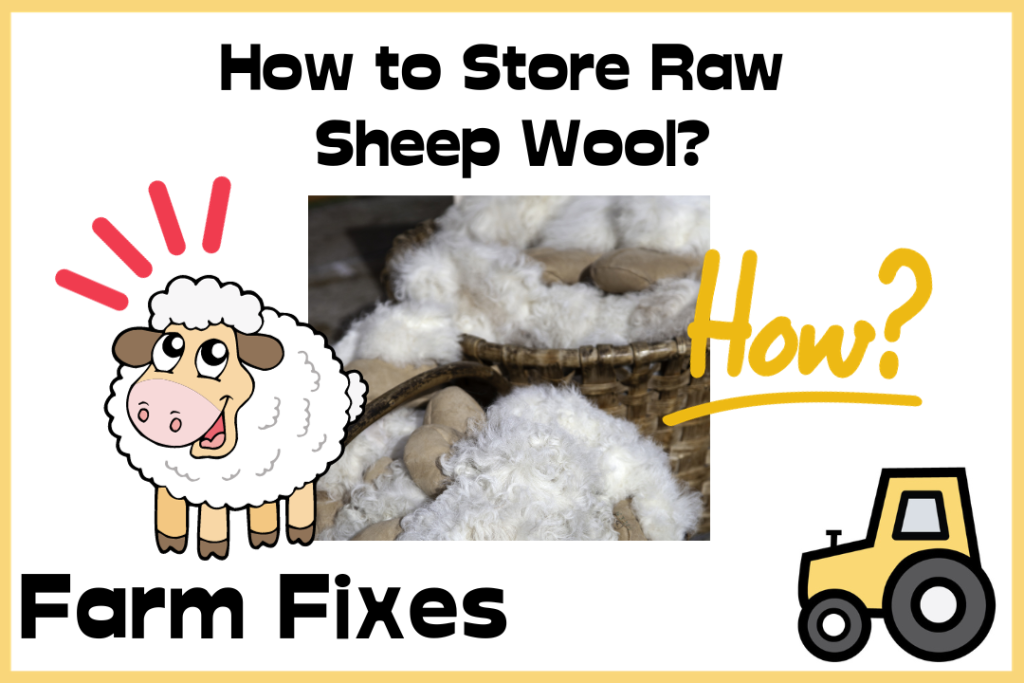
Getting your wool ready for storage
From personal experience, I’ve come to appreciate the importance of storing raw sheep wool correctly. Being an avid crafter, I’ve encountered my fair share of hiccups due to improper storage. The bottom line is that wool, like any natural fiber, deserves a little care to stay in excellent condition.
In this article, we’ll delve into the ins and outs of wool storage. We’ll cover the essentials: where and how to stash it, what kinds of containers work best, and how to fend off those pesky moths. We’ll also chat about labeling and record-keeping, which can be a lifesaver when you have an assortment of wool to manage.
So, if you’ve ever pondered the art of storing your wool stash correctly, keep reading! We’ll next explore the crucial steps for preparing your wool for storage.
Preparing Your Wool for Storage
Before stashing your wool, it’s smart to prep it properly. I’ve found that taking a few steps to get your wool in shape makes a world of difference. Here’s how I do it:
First, give it a good clean. Remove any dirt, bits of hay, or other debris that may have hitched a ride. This helps to prevent any unwanted surprises down the line.
Next, sort your wool. Separate it by grade color and check for any damage. This makes it easier to find what you need when you’re knee-deep in a creative project. Plus, it keeps your stash looking tidy.
Remember to identify any contaminants like grease or lanolin. These can attract pests, so dealing with them before storing your wool is best.
So, with your wool cleaned, sorted, and damage-free, you’re well on your way to a beautifully organized stash. Now, let’s move on to the next step: choosing the right storage location.
Choosing the Right Storage Location
Now that your wool is prepped, it’s time to find a cozy home. I’ve learned that where you store, it can make or break its quality. Here’s what I’ve found:
First, you’ll want to keep it in a place with ideal conditions. That means controlling the temperature and humidity. Wool can be finicky, so a cool, dry spot is your best bet. Proper ventilation is also crucial to prevent musty odors or mold from creeping in.
Another thing to keep an eye on is pests. Nasty insects and rodents can wreak havoc on your wool stash. To keep them at bay, make sure your storage area is well-sealed. You can also use natural deterrents like cedar blocks or lavender sachets.
So, by maintaining the right environment and pest-proofing your storage spot, your wool will stay in tip-top shape. Next, let’s talk about the containers you should use to keep it safe and sound.

Appropriate Storage Containers
Choosing the proper storage containers plays a crucial role in maintaining the quality of your wool stash. Here’s my advice:
When deciding on containers, consider your options carefully. Cloth bags are excellent as they allow airflow, while plastic bags can be suitable if you ensure your wool is completely dry before sealing them.
Cardboard boxes are a traditional choice, but to protect against moisture and pests, consider using plastic bins with secure lids.
Pay attention to the power of labeling. Mark your containers with essential information like the wool type and the stored date. This simple step can save you much time and frustration when hunting for the perfect wool for your next project.
With the proper containers and a labeling system, your wool stash will stay organized and well-protected. Now, let’s dive into long-term wool storage strategies.
Storing Wool for the Long-Term
In terms of storing wool for the long haul, I’ve found that extra care goes a long way. Here’s what I’ve learned:
First, consider how you want to store it. You can either fold it neatly or roll it up. Folding is great for maintaining the shape of larger pieces, but rolling can save space and prevent creases. It depends on your available storage space and the nature of your wool pieces.
Moisture is your wool’s nemesis. Ensure your storage area remains dry to prevent mold or mildew from spoiling your stash. Regularly inspect your wool to ensure it’s in top-notch condition, and address any issues promptly to avoid long-term damage.
So, with your wool carefully stored for the long term, you’re all set for future projects. Finally, let’s chat about how to retrieve and use your stored wool effectively.
Retrieving and Using Your Stored Wool
Now, let’s talk about getting your stored wool back into action. Here’s my approach:
First, carefully retrieve your wool from its storage spot. Avoid any abrupt tugs or pulls to prevent unnecessary strain on the fibers. Give it a gentle shake to remove any settled dust or debris.
Before diving into your project:
1. Take a moment to examine the wool.
2. Look for any signs of damage, pests, or moisture.
3. If you spot anything concerning, address it promptly to prevent issues from spreading to your other materials.
When you’re satisfied that your wool is in good shape, it’s time to prep it for your project. Depending on your needs, you may want to wash, card, or spin it to get it ready for crafting.
Lastly, remember to document the wool you’ve used and make any necessary updates to your labeling system. Periodically reevaluate your storage to ensure it remains in optimal condition.
With these tips, you’ll be well-prepared to retrieve and make the most of your stored wool.
Conclusion
As you embark on your wool storage journey, consider this: how well you care for your precious fibers can profoundly impact your crafting adventures.
This article covered essential steps like cleaning, sorting, and choosing the proper containers.
By implementing these effective wool storage practices, you’re preserving the quality of your wool and ensuring a smoother and more enjoyable crafting experience. So, remember to nurture your wool stash—it’s the key to unlocking endless creative possibilities.
Also Read: How to Clean Sheep Wool?