
Pigs can tolerate a wide range of temperatures, but pigs and cold weather can be challenging. Cold temperatures can affect their physiology and health. How can pigs adapt to cold weather?
Pigs can tolerate a wide range of temperatures, but proper housing, bedding, feed, and nutrition are crucial for their survival and well-being during cold weather. Cold weather can affect pigs’ growth, feed consumption, and overall health.
Read our expert guide on pigs and cold weather to learn more about keeping pigs healthy and comfortable during freezing temperatures.
Physiology of pigs and cold weather
How pigs’ bodies respond to cold temperatures
Pigs’ bodies react in various ways when exposed to chilly temperatures. They have to keep their body temperature constant. One option is to speed up their metabolism, which produces heat and aids in maintaining bodily warmth.
Additionally, pigs have a thick layer of skin and fat on their bodies that acts as natural insulation. This mechanism assists pigs to retain heat. They frequently cuddle up together to stay warm—a behavior called thermoregulation.
Pigs have a very powerful immune system. This aids them in warding off colds and other respiratory illnesses that can develop during cold weather.
However, pigs can become stressed and develop health problems like pneumonia if the temperature drops too low or they are not given the proper shelter, bedding, and diet.
How pigs’ natural insulation and fat reserves protect them from the cold
Pigs have a natural insulation system that keeps them warm during the winter. A thick layer of fat and skin provides this insulation. The fat layer is beneath the skin and functions as an insulator by retaining heat close to the body.
In the same way, a down jacket retains heat to keep the wearer warm. The thicker the fat layer, the better insulated the pig, which is why pigs grown for meat are frequently fattened up before being slaughtered.
The epidermis, dermis, and subcutaneous fat are the three layers that make up the skin. These layers work together to create a barrier that keeps the cold and heat out.
Pigs’ fat reserves, in addition to the natural insulation supplied by fat and skin, play an important part in shielding them from the cold. Because fat is an energy reserve, pigs can utilize it as a source of energy when temperatures drop. This enables them to keep their body temperature stable and function normally even in cold temperatures.
It is crucial to remember that pigs that are young, old, or with underlying medical conditions may be more sensitive to cold temperatures and need more care and attention to keep them warm and healthy.
Overall, pigs’ inherent insulation and fat reserves are critical for keeping them warm in cold weather and sustaining their health and well-being.
What is the lowest temperature a pig can withstand?
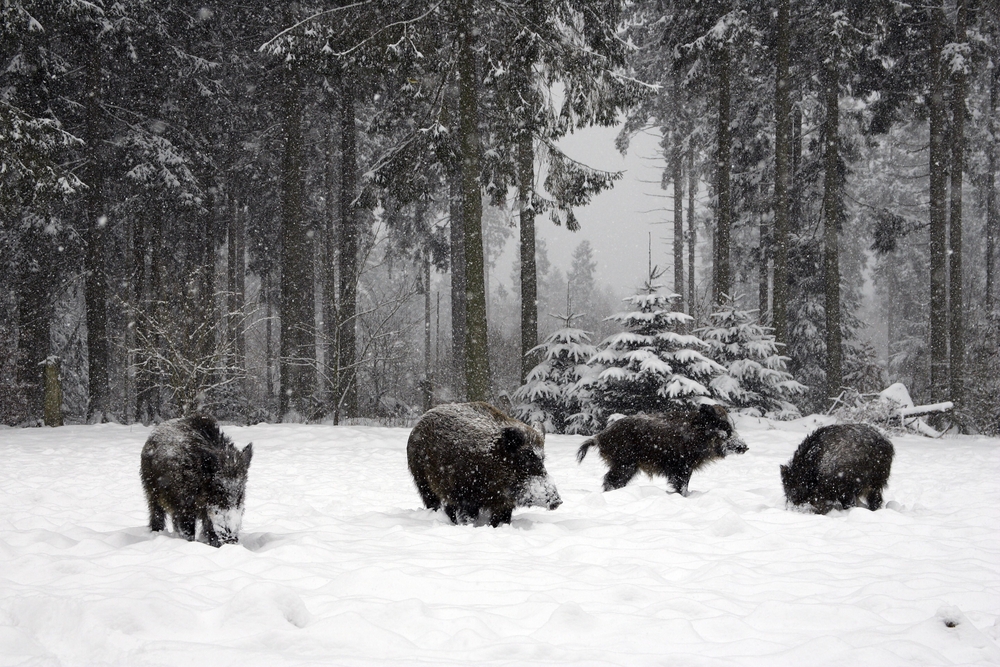
Like many other animals, pigs have a favorite temperature range in which they are most comfortable. They can be bothered by cold weather, especially if the temperature drops too low or if they need to be provided with adequate housing, bedding, and feed.
Pigs have a natural insulation system with a thick layer of fat and skin. It traps heat and keeps them warm, but more is needed if the temperature dips too low.
Cold weather can stress pigs, resulting in lower growth, feed consumption, overall health, and an increased risk of respiratory illnesses such as pneumonia.
Furthermore, young pigs, older pigs, and those with underlying health conditions may be more vulnerable to cold temperatures and require extra care and attention to be warm and healthy.
In general, it’s recommended to provide pigs with a comfortable environment with temperatures between 40-70°F (4-21°C)
As a result, it is critical to provide sufficient housing, bedding, and feed to pigs during cold weather to maintain their comfort and well-being. This can assist to prevent health problems and keep the pigs warm and comfortable over the winter.
The Importance of Proper Housing and Bedding
Types of housing and bedding best for keeping pigs warm in cold weather
Proper housing and bedding are critical for keeping pigs warm and comfortable in cold weather. In cold weather, pig housing should be well-insulated, draft-free, and maintain a steady, comfortable temperature.
Deep-Bedded Barn
This is a shelter ideal for pigs in cold weather. This sort of barn uses deep bedding of straw, sawdust, or other dry, absorbent material. This bedding functions as insulation, trapping heat and keeping the pigs warm and happy.
Hoop Barn
A hoop barn is another type of pig housing used in cold weather. Hoop barns are similar to deep-bedded barns in appearance, but they have a translucent plastic ceiling and walls that enable the sunshine to enter and heat the barn. Even on the coldest days, this can assist in keeping the barn warm.
Ensuring the housing is well-ventilated is important to avoid accumulating moisture and ammonia. Because ammonia buildup can cause respiratory problems in pigs, keeping the barn air clean is critical.
In addition to suitable shelter, pigs should have comfortable and clean bedding. Straw, sawdust, or other dry, absorbent materials can be used. The bedding should be changed frequently to keep it clean and dry, which will assist in keeping the pigs warm and happy.
It is critical to select the sort of housing that best meets the needs of your pigs. Ensuring it is well-insulated, draft-free, and maintains a steady, pleasant temperature is important. Health problems and keep the pigs warm and comfortable over the winter.
How proper housing and bedding can prevent health issues?
Pigs can develop pneumonia, a common respiratory ailment when exposed to cold and wet weather. They can feel chilly in poorly insulated, drafty barns. This can weaken their resistance and make them more prone to respiratory illnesses.
The same is true if the bedding is damp and not absorbent because these conditions can foster the growth of mold, germs, and other pathogens that can result in respiratory diseases.
Adequately insulated and draft-free housing helps keep pigs warm and dry, which can stop the growth of any respiratory illnesses. The pig’s body temperature and general health are kept stable by a warm, dry environment.
Proper ventilation is also crucial to avoid the accumulation of moisture and ammonia. Pigs are more prone to respiratory infections as a result of ammonia accumulation. This can irritate and inflame the respiratory tract.
Furthermore, giving pigs clean, dry bedding that is changed frequently can prevent the growth of mildew, germs, and other pathogens that can result in respiratory diseases.
In general, having appropriate housing and bedding is crucial for avoiding health problems like pneumonia in pigs during cold weather.

Feed and Nutrition for Cold Weather
Types of feed and supplements that are best for pigs during cold weather
Pigs need the correct kinds of feed and supplements during cold weather to help them maintain their body temperature and general health. The best feed and supplements for pigs in cold weather include the ones listed below:
High-energy feed
Pigs need more energy in cold weather to keep their body temperatures stable. Higher energy density feeds like corn, barley, and wheat can support growth. It also assists pigs to maintain a healthy body temperature.
Protein
Pigs need a greater protein intake in the winter to boost their immune systems and help them ward off respiratory illnesses like colds. Soybean meal and dried distillers grains are two examples of high-protein feeds. These can strengthen the pigs’ immune systems and encourage growth.
Fat
Pigs can gain advantages from consuming more fat in colder months. Fat is a source of energy when temperatures drop since it is a reserve of energy. High-fat feeds, such as vegetable oil, can support growth and assist pigs to regulate their body temperature.
Vitamins and minerals
Vitamins and minerals are crucial for pigs’ general health, particularly in the winter. Iron, E, and vitamin A are just a few vitamins and minerals added to feeds to strengthen the pigs’ immune systems and encourage growth.
Supplements
Supplements such as enzymes, probiotics, and trace minerals can promote nutrient utilization. It also aids in better pig feed digestion and fortifies the immune system in cold weather.
It’s crucial to remember that pigs’ age, size, and general health will determine the sort and quantity of feed and supplements ideal for them during cold weather. Your pigs’ optimal diet and supplement program should be determined in consultation with a veterinarian or nutritionist.
Summary – Pigs and cold weather
- Pigs have a natural insulation system that consists of a thick layer of fat and skin that traps heat and keeps them comfortable.
- Cold weather can stress pigs, resulting in lower growth, feed consumption, and overall health. It can also increase the risk of respiratory illnesses such as pneumonia.
- Pigs who are young, old, or have underlying health conditions may be more sensitive to cold temperatures and require extra care and attention to be warm and healthy.
- Proper housing, bedding, and nourishment are critical for pig comfort and well-being in cold weather.