
Lamb health is a critical concern for novice sheep owners, and understanding how to prevent and treat common illnesses is essential for the well-being of your flock.
To prevent and treat common lamb illnesses, novices should focus on proper nutrition, hygiene, vaccinations, and regular health checks. Early identification of symptoms and consulting with a veterinarian is crucial for effective treatment and maintaining a healthy flock.
Continue reading to discover valuable insights into preventing and treating common lamb illnesses, empowering novice sheep owners with essential knowledge for their flock’s well-being.
What do novice sheep owners need to know about lamb health?
Having raised sheep for years, caring for your lambs is rewarding and essential for their well-being. One common piece of advice I’d like to share is that novice sheep owners must understand the basics of lamb health to ensure a thriving flock.
Remember, healthy lambs start with proper nutrition. Feed them a balanced diet and ensure they can access clean water daily. As I always say, ‘a well-fed lamb is a happy lamb.’
In addition, vaccinations are crucial. Keep track of their vaccination schedules and consult a local veterinarian for guidance. It’s a step you don’t want to skip because it can prevent many common illnesses.
Clean and comfortable living conditions are another key point. Maintain a clean shelter and practice good hygiene. A clean environment goes a long way in preventing diseases.
Lastly, don’t hesitate to seek help from a veterinarian when needed. Even experienced farmers like myself consult with professionals. Remember, there’s no such thing as a ‘silly’ question regarding your lamb’s health. So, remember these tips and enjoy your journey as a sheep owner!
Related Read: How to Ensure Healthy Growth in Your Lambs: Nutrition Tips
How to identify common lamb illnesses?
Respiratory Issues:
Regarding respiratory issues, keep an eye out for symptoms like coughing, nasal discharge, or labored breathing. These can be caused by factors such as cold and damp conditions or overcrowding. Preventing respiratory problems includes ensuring good ventilation in the shelter and avoiding stress factors. Treatment may involve antibiotics or supportive care, like providing warmth.
Gastrointestinal Problems:
Lambs can suffer from gastrointestinal problems such as diarrhea or bloat. Look for signs like a loose stool or a distended abdomen. Common causes include sudden diet changes or parasites. To prevent these issues, maintain a consistent feeding schedule and monitor their diet. Treatments vary but may involve adjusting their diet, administering medication, or seeking veterinary assistance.
Parasitic Infections:
Parasitic infections can be sneaky. Types of parasites that affect lambs include worms and coccidia. Signs include weight loss and diarrhea. Regular deworming and keeping pens clean can help prevent these infections. If you suspect a parasitic infection, consult a vet for proper treatment.
It’s important to note that early detection is key in treating these illnesses. So, keep a close eye on your lambs, and don’t hesitate to contact a veterinarian when needed.
What nutritional considerations are essential for lamb health?
When keeping your lambs healthy, understanding their nutritional needs is crucial. Here are some key points:
Proper Feeding Practices:
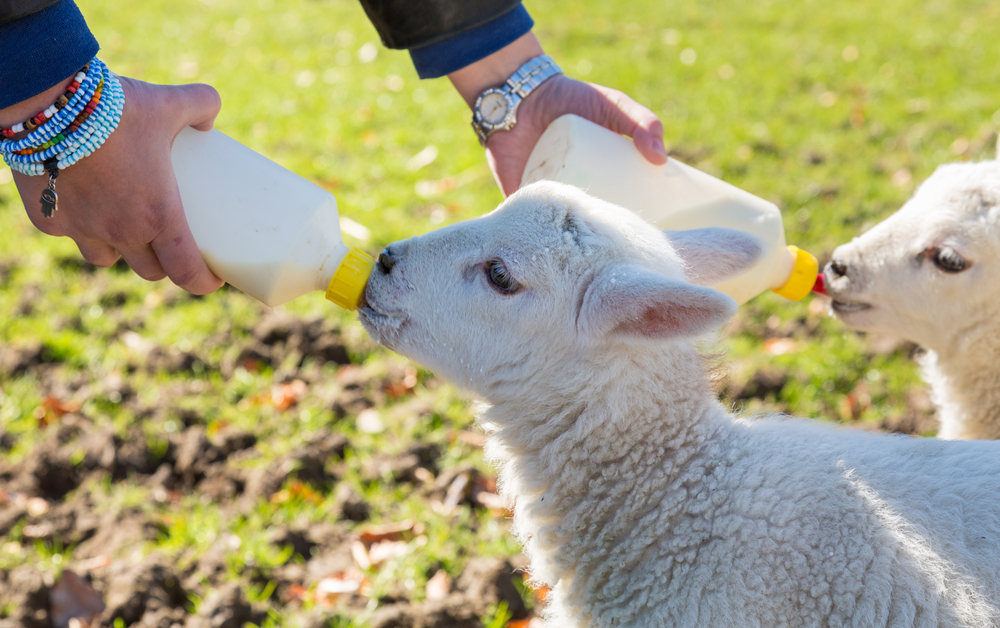
Balanced nutrition is the foundation of lamb health. Make sure their diet includes the right mix of protein, carbohydrates, and vitamins. A common pitfall is failing to meet their nutritional needs, leading to issues.
Common Nutritional Deficiencies:
Lambs can suffer from nutritional deficiencies, such as insufficient essential minerals like selenium or copper. These deficiencies can cause health problems. To avoid this, offer a well-balanced diet and consider supplements if needed. Regularly consult your veterinarian for dietary advice.
The Role of Clean Water:
Clean water is often overlooked but plays a significant role in lamb health. Poor water quality can lead to dehydration, affecting their immunity. Ensure they have access to fresh, clean water at all times, and regularly clean their water source.
Remember, a well-fed and properly hydrated lamb will likely stay healthy and thrive.
What are the key aspects of routine health maintenance for lambs?
Routine health maintenance for lambs is essential to ensure they lead healthy lives. Let’s break down the key aspects:
Vaccinations and Preventive Care:
Vaccinating your lambs is like giving them a shield against diseases. Some key vaccines include protection against diseases like clostridium and respiratory infections. Follow a vaccination schedule recommended by your veterinarian, and remember the importance of record-keeping to track when each lamb was vaccinated.
Shelter and Environmental Factors:
Creating a healthy living environment is a cornerstone of lamb care. Ensure their shelter is clean, dry, and well-ventilated. Consider weather conditions – lambs can be sensitive to extreme cold or heat, so provide appropriate bedding and shade. Implement biosecurity measures to prevent the introduction of diseases to your flock.
By focusing on these routine health maintenance aspects, you’ll be on the right track to raising happy and healthy lambs.
When and why should you consider consulting a veterinarian for your lambs?
Knowing when and why to consult a veterinarian is crucial for your lambs’ well-being:
When to Seek Professional Help:
Recognizing urgent situations is the first step. Look for signs like lethargic lambs, not eating, or difficulty breathing. Don’t hesitate to call your vet in these cases – it could be a matter of life and death. Additionally, regular health check-ups are important to catch issues early, often during the lamb’s first few weeks of life.
Building a Relationship with a Local Vet:
Having a good relationship with a veterinarian is invaluable. Vets provide essential support and guidance. They’re the experts when it comes to diagnosing and treating lamb illnesses. Make sure your chosen vet is qualified and experienced in treating sheep. To find a qualified lamb veterinarian near you, check out the American Association of Small Ruminant Practitioners or the British Veterinary Association.
Consulting a vet at the right times and maintaining that relationship ensures the best possible care for your lambs.
Conclusion
My years of experience have taught me that caring for lambs is rewarding and demanding. To ensure the health and well-being of your flock, it’s essential to prioritize preventative measures and early intervention.
Understanding common lamb illnesses allows you to swiftly identify symptoms, implement preventive strategies, and explore treatment options when needed. Proper nutrition, clean water, and a comfortable living environment are the foundation of lamb health. Vaccinations, regular veterinary check-ups, and building a rapport with a local veterinarian are indispensable for successful lamb ownership.
Remember, every lamb’s health is in your hands. These practices, often straightforward, can make all the difference in the longevity and vitality of your flock. So, keep learning, stay vigilant, and cherish the joy of raising healthy, happy lambs. With the proper knowledge and care, you’re on your way to becoming a successful sheep owner.
Also Read: Common Challenges During Lambing: What to Watch For?