
When harvesting sheep’s wool, understanding the key differences between hand-shearing and machine-shearing is essential for making informed choices in fleece production.
Hand-shearing prioritizes precision and gentleness during the wool extraction process, ensuring the well-being of sheep. In contrast, while faster, machine shearing can be less gentle, necessitating a careful balance between efficiency and animal welfare.
Want to explore and uncover the distinctions between hand-shearing and machine-shearing regarding sheep wool production? Read on to discover more!
The age-old debate: Hand-shearing vs. Machine-shearing
When it comes to shearing sheep, there’s always been this age-old debate: hand-shearing or machine-shearing? I’ve had my fair share of experiences with both, and here’s what I’ve picked up along the way.
Hand-shearing, well, it’s like an art form. You’ve got a pair of shears in your hand, and it’s all about precision. It takes a bit longer, but you can control every snip. Plus, it’s a great workout for your arm muscles! But there’s a downside. It can be tiring, especially if you’ve got a whole flock to shear.
Now, machine shearing is like the fast-food version of shearing. It’s quick and efficient, and you can quickly shear a lot of sheep. But here’s the catch: hand-shearing is more gentle. Sometimes, the machine can nick the sheep, and that’s no fun for anyone.
So, what’s the verdict? Well, it depends on what you’re looking for. If you’ve got the time, enjoy a workout, and want that personal touch, go for hand-shearing. The machine is your best buddy if you’re in a hurry and must shear a bunch of sheep in a flash.
Ultimately, it’s all about finding the right balance between tradition and efficiency.
What Is the Craftsmanship of Hand-Shearing All About?
Hand-shearing, an age-old technique in fleece production, embodies tradition and craftsmanship passed down through generations.
A. The art of hand-shearing
1. Hand-shearing is deeply rooted in history and tradition, from when our ancestors relied on this method to harvest wool. It’s a craft that has stood the test of time.
2. It demands skill and expertise that comes only with experience. Hand-shearers have an intimate knowledge of each sheep’s needs, ensuring a gentle and precise shearing process.
B. Advantages of hand-shearing
1. The fleece produced through hand-shearing is of exceptional quality. Each cut is carefully made, resulting in longer, more uniform, highly prized fibers.
2. Hand-shearing is less stressful for the sheep. The calm and unhurried pace reduces anxiety, benefiting the animal’s well-being.
3. Personalized care is a hallmark of hand shearing. Shearers can adapt their techniques to suit individual sheep, providing a level of attention that machines can’t match.
C. Limitations of hand-shearing
1. One downside is that it’s time-consuming. Hand-shearing takes more minutes per sheep than machine-shearing.
2. It’s labor-intensive. Shearers require physical stamina to work long hours.
3. Finding skilled shearers can be challenging, as it demands significant expertise and experience.
Now that we’ve delved into the rich tradition and artistry of hand shearing, let’s shift our focus to the world of machine shearing – its efficiency and consistency.

Is Machine-Shearing the Key to Efficiency and Consistency?
Machine shearing represents a significant advancement in the wool industry, emphasizing efficiency and consistency. Let’s explore the world of mechanized shearing:
A. The mechanization of shearing
1. Shearing machines have come a long way, evolving from rudimentary tools to sophisticated equipment. These innovations have revolutionized the shearing process.
2. Modern technology has further enhanced machine-shearing by introducing automated systems, precision controls, and safety features.
B. Advantages of machine-shearing
1. Speed and efficiency are the standout features of machine shearing, allowing for the quick processing of large flocks.
2. Consistency in fleece quality is achieved through uniform cuts, resulting in a standardized product.
3. Reduced labor costs are a practical benefit, as fewer shearers are needed for high-volume shearing operations.
C. Limitations of machine-shearing
1. The potential for injuries to sheep exists if machines are not properly maintained or the animals become agitated during the process.
2. Fleece contamination can occur due to contact with machine components, impacting wool quality.
3. There is a learning curve for operators, as mastering the precision and control of shearing machines takes time and practice.
Transitioning to the impact on wool quality and animal welfare, let’s explore how these shearing methods influence sheep’s final product and well-being.
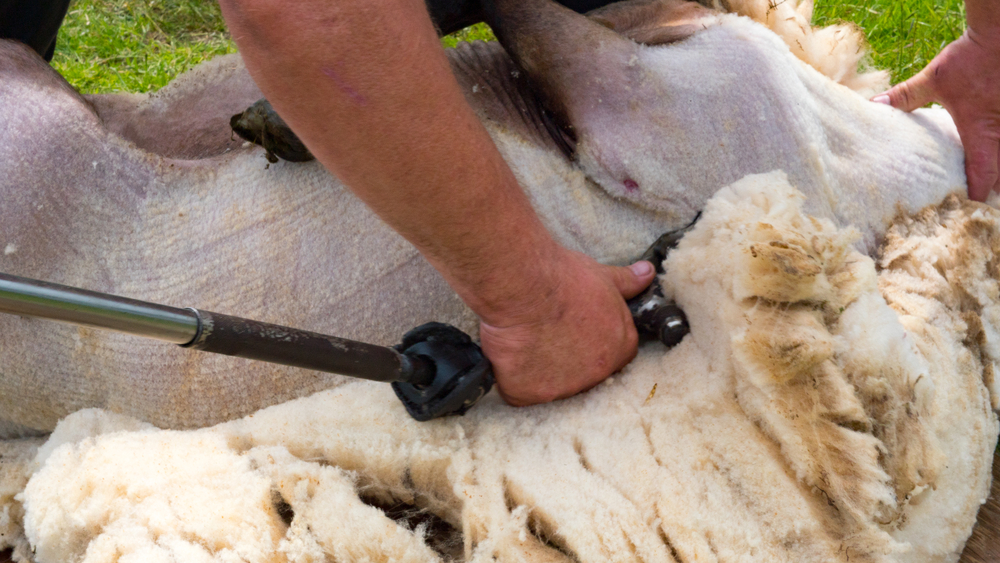
How do shearing methods affect wool quality and animal welfare?
Exploring the effects of shearing methods on wool quality and sheep’s well-being is crucial for making informed choices in the industry. Here’s an overview:
Wool quality considerations
Shearing techniques significantly impact wool quality. Hand-shearing produces more prolonged and uniform fibers, while machine-shearing often results in shorter and variable lengths.
Additionally, fleece cleanliness plays a crucial role in the quality of wool. Hand-shearing’s meticulous approach typically yields cleaner fleece, while machine-shearing can introduce contaminants that affect the overall fleece quality.
Animal welfare implications
Stress and safety considerations loom large in the shearing process. Hand-shearing, with its deliberate pace and personalized approach, generally reduces stress for sheep, while machine-shearing, when not executed carefully, can induce anxiety and injuries.
Ensuring the overall health of the sheep remains paramount, emphasizing the importance of proper shearing techniques irrespective of the method employed. These techniques help prevent injuries, uphold hygiene standards, and safeguard the well-being of the animals throughout the shearing process.
Balancing quality and welfare
A practical and ethical approach must ensure the application of best practices in both hand and machine shearing. This involves maintaining equipment regularly, employing skilled shearers, and prioritizing the sheep’s comfort throughout the process.
Additionally, it’s vital to consider the specific breed of sheep and the type of wool when deciding on the shearing method. Certain breeds and wool types may be better suited to one way over the other, underscoring the importance of a tailored approach that aligns with the unique requirements of each flock.
Key Takeaways
From my exploration of hand-shearing and machine-shearing in the world of sheep wool production, here are my key takeaways:
Balancing Tradition and Efficiency: Hand-shearing is steeped in tradition and craftsmanship, offering precision and gentleness. On the other hand, machine shearing is a beacon of efficiency, allowing for the rapid processing of wool. The choice depends on your priorities.
Quality vs. Speed: Hand-shearing often yields longer, cleaner fleece, ideal for premium wool products. Meanwhile, machine shearing might compromise on fiber length and cleanliness for speed.
Animal Welfare Matters: Hand-shearing tends to be gentler on the sheep, reducing stress and injury risks. However, with proper care and skill, machine-shearing can also ensure the well-being of the animals.
Skill and Maintenance: Skillful shearers and regular equipment maintenance are crucial for both methods to achieve the best results and maintain the health of the sheep.
Tailoring to Needs: Consider the specific needs of your flock—sheep breed and wool type—when choosing the shearing method. Customizing your approach can lead to better outcomes for fleece quality and animal welfare.
Also Read: Why Shear Sheep?