
Lambing is the crucial and often fascinating process of giving birth to lambs, and in this beginner’s introduction, we’ll explore the ins and outs of what is lambing and why it matters in the world of sheep farming.
Lambing is the pivotal and often captivating process of sheep giving birth to lambs. This fundamental event holds immense significance in sheep farming, serving as the foundation for the growth and sustainability of a flock.
In this beginner’s introduction, we will delve into the intricate details of lambing, shedding light on its importance and the essential knowledge every novice in sheep farming should acquire. Read more to discover the fascinating intricacies of this crucial aspect of sheep farming.
What is lambing, and why should you care?
Lambing, to put it simply, is when a sheep mama, like my Auntie’s ewe named Daisy, gives birth to adorable little lambs. I vividly remember seeing it for the first time—Daisy’s excitement, the bleats, and those fluffy newborns taking their first wobbly steps. It’s more than just an animal giving birth; it’s a fundamental event in sheep farming.
So, why care about lambing? Well, picture this: each lamb born represents the future of a sheep farmer’s flock. These young ones grow up to provide wool meat and ensure the farm’s sustainability. Understanding lambing, its signs, and the care needed during this time is crucial for the well-being of both the ewe and her lambs. It’s practical knowledge for farmers and a fascinating peek into the circle of life for the rest of us.
What does the lambing process entail, and what factors influence its timing? We’ll uncover the details next.
What does the lambing process entail, and what factors influence its timing?
The lambing process is a fascinating journey, like a play unfolding on a farm stage. As a sheep farmer, I’ve witnessed this spectacle many times. When Daisy, our ewe, is ready to lamb, she starts acting restless, pawing at the straw in her stall. Then, with a gentle push and some encouraging baas, she brings new life into the world—baby lambs, all fuzzy and full of life. It’s a magical moment that never loses its charm.
Now, let’s talk about the process. Lambing involves stages like labor, delivery, and postpartum care. Ewes go through contractions, amniotic sac ruptures, and the birth of each lamb. Monitoring and providing assistance if needed is vital, ensuring a safe delivery.
Factors influencing the timing of lambing include the breed, nutrition, and the environment. Different breeds have different gestation periods, and proper nutrition during pregnancy impacts the timing and health of the offspring. Environmental factors like temperature and daylight hours can also affect when ewes go into labor.
How can you recognize the signs of impending lambing in ewes, and when should you seek veterinary help? Let’s delve into that next.
How can you recognize the signs of impending lambing in ewes, and when should you seek veterinary help?
Recognizing the signs of impending lambing in ewes is like learning the secret language of sheep. From my experience, a surefire signal is when a pregnant ewe becomes unusually restless, frequently lying down and getting up.
They’re trying to find the comfiest spot for the big moment. Sometimes, they might paw at the ground, or you’ll hear them making distinct sounds, almost like talking to their unborn lambs.
But here’s the deal, folks: you should watch them closely. When you see the water sac protruding or the ewe actively straining for more than 30 minutes without progress, it’s time to call in the cavalry—your friendly veterinarian. Delaying help can be risky for both the ewe and her lambs.
Now, what about preparing for lambing? Your role as a shepherd is vital. You should have a clean, dry place ready for lambing, with fresh bedding and all the necessary supplies.
It’s like setting the stage for a drama performance, ensuring a safe and smooth delivery. Plus, being ready for emergencies is essential—sometimes, nature throws surprises. We’ll dive into those preparations next.
What steps should you take to prepare for lambing, including your role as a shepherd and emergency preparedness?
Preparing for lambing is like preparing for a big event—you want everything in place for a smooth show. As a shepherd, my role is like that of a director, ensuring the stage (the lambing area) is clean, warm, and secure. I ensure I always have clean towels, iodine for disinfection, and a watchful eye.
Now, emergency preparedness is key. Nature doesn’t always follow the script; sometimes, you must think fast. A veterinarian’s number on speed dial and a basic understanding of lambing complications can be a lifesaver for both ewe and lamb.
But the work continues. After the curtain rises and the lambs are born, it’s time for nurturing and care. Creating a bond between the ewe and her lambs, addressing health concerns, and providing ongoing care is crucial for their well-being.
So, how should you provide care for newborn lambs, foster bonding, address health concerns, and ensure ongoing care after lambing? Let’s explore these important steps next.
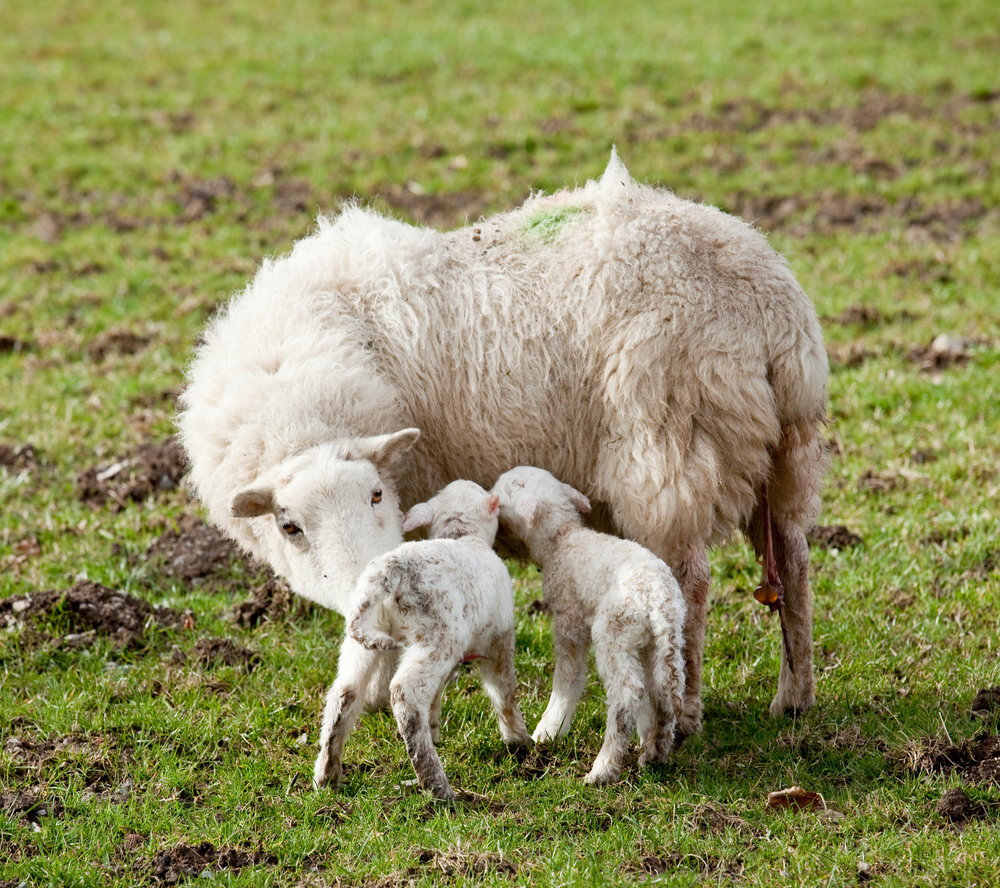
How should you provide care for newborn lambs, foster bonding, address health concerns, and ensure ongoing care after lambing?
Caring for newborn lambs is like being a proud parent; it’s rewarding but comes with responsibilities. I’ve learned on the farm that ensuring their well-being starts right after birth. I remember when one of our lambs, Bobby, was born, and we gently dried him off with a towel. It helps them stay warm and cozy.
Now, fostering bonding is like building trust. Leave the ewe and lamb alone after birth to let them get to know each other. It’s like a first meeting. Watch out for health concerns like scours (diarrhea) or signs of illness. Quick action can make all the difference.
Ongoing care is like a long-term commitment. Ensure they get enough milk from their mothers and provide a clean and safe environment. As they grow, proper nutrition and regular health checks become crucial.
So, how should you provide care for newborn lambs, foster bonding, address health concerns, and ensure ongoing care after lambing? Let’s dive deeper into these essential aspects.
Related Read: Preventing and Treating Common Lamb Illnesses: A Novice’s Guide
What are the key considerations for maintaining a healthy and productive sheep flock during and after lambing?
Maintaining a healthy and productive sheep flock during and after lambing is like ensuring a successful team performance. From my years on the farm, I’ve realized that nutrition plays a vital role, much like a well-balanced diet for an athlete.
A diet rich in essential nutrients before and after lambing is crucial for the ewes’ health and the development of the lambs.
Another critical factor is proper healthcare, akin to regular check-ups for an athlete. Monitoring the flock for signs of illness, providing vaccinations, and addressing health concerns promptly are essential to prevent the spread of diseases within the flock.
Additionally, managing stress is key, just like managing team morale. A stress-free environment, proper handling, and adequate space for the sheep promote overall well-being and productivity.
Reputable sources like the American Sheep Industry Association and the Food and Agriculture Organization of the United Nations emphasize these aspects for maintaining a healthy and productive sheep flock, highlighting the importance of nutrition, healthcare, and stress management in sheep farming. It’s like following the best practices to ensure your team’s success.
Conclusion
In my journey through lambing and sheep farming, I’ve come to appreciate the intricate dance of nature that unfolds during this critical time. From recognizing the signs of impending lambing to providing care for newborns and maintaining a healthy flock, it’s been a learning experience like no other.
Just like tending to a team, it takes dedication, knowledge, and vigilance to ensure the well-being and productivity of our woolly friends. And as I continue to nurture our flock, I’m reminded that, much like any endeavor, success lies in the details—nutrition, healthcare, and a stress-free environment. It’s a labor of love that keeps our sheep thriving, and it’s a journey far from over.
Also Read: When Do Ewes Give Birth? Understanding the Lambing Cycle