
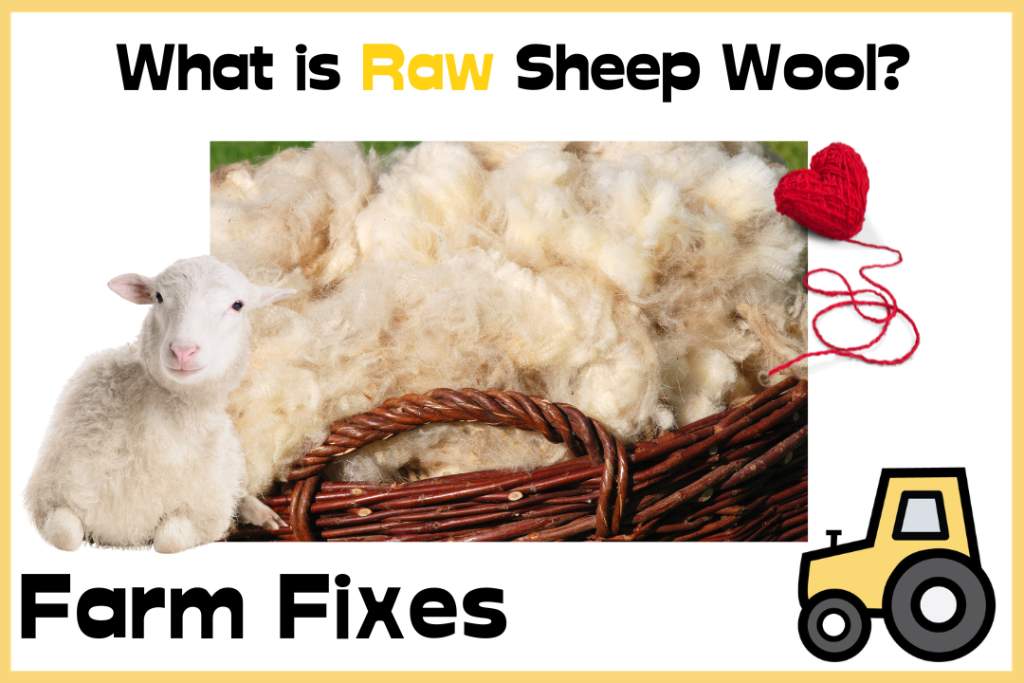
Raw sheep wool, often called ‘sheep’s fleece,’ is the unprocessed and natural fiber harvested from sheep, serving as the foundation for a wide range of textile products.
Raw sheep wool is the unprocessed fleece obtained from sheep, and it serves as a valuable and renewable natural fiber extensively utilized in textiles due to its exceptional warmth, eco-friendly characteristics, and historical significance.
Curious to unravel the fascinating story behind raw sheep wool? Keep reading to discover the remarkable qualities and uses of this natural fiber.
What makes raw sheep wool a versatile and eco-friendly wonder?
Raw sheep wool, the unprocessed fleece shorn from sheep, is a remarkable natural fiber with a rich history. It’s renowned for its warmth and eco-friendliness, making it a valuable textile resource.
This versatile material has been crucial in the clothing and textile industries for centuries. It continues to be appreciated for its unique qualities and sustainable attributes in today’s world.
I’ve always been amazed by the versatility of raw sheep wool, which finds its way into countless industries. As a material, it’s an eco-friendly superstar, used extensively in textiles and fashion. Its insulating properties keep us warm in winter, while its sustainability aligns with our growing environmental consciousness.
Beyond clothing, it’s also vital in crafting upholstery, blankets, and even soundproofing materials – a testament to its widespread importance today.
In this article, I aim to offer a complete grasp of raw sheep wool, delving into its origins, properties, and numerous applications. I want you to finish reading with a newfound appreciation for this natural wonder and a clear understanding of why it’s vital in various industries, from fashion to insulation.
So, let’s embark on this journey to explore the fascinating world of raw sheep wool together.
What is Raw Sheep Wool?
Raw sheep wool is the unprocessed fleece sheared from sheep, a natural fiber with origins dating back centuries. It’s a product of nature, grown on the backs of these animals, and it’s treasured for its warmth and eco-friendliness.
This versatile material has a rich history in clothing and textiles, making it a fundamental resource for various industries. Its natural origin and sustainable qualities continue to make it a valuable and relevant part of today’s world.
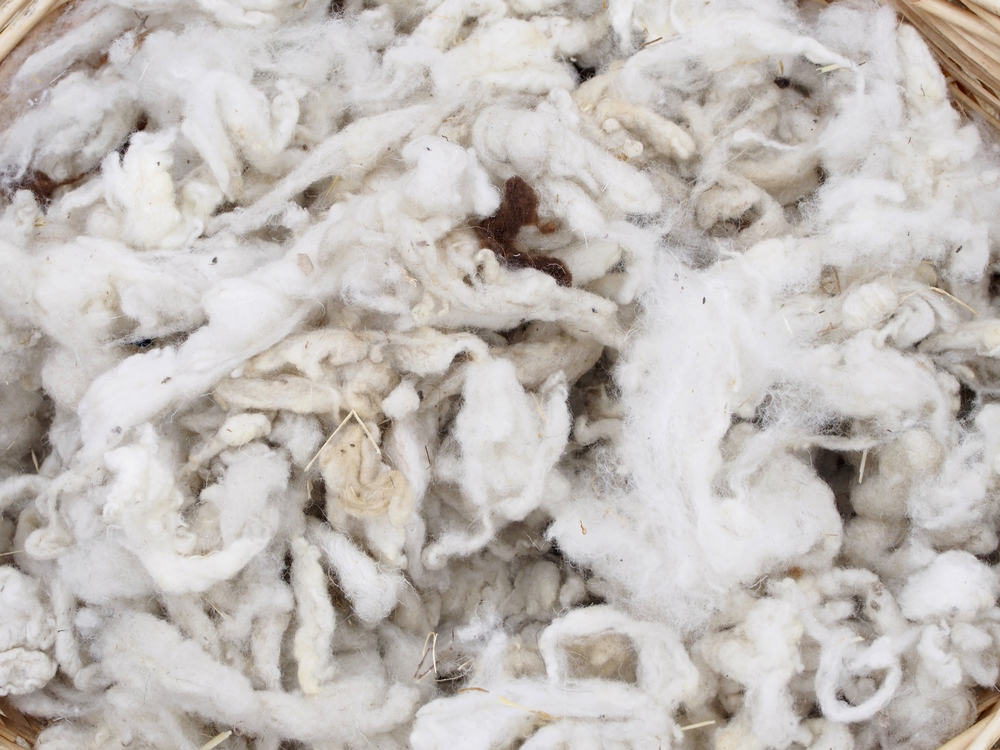
Raw sheep wool differs from processed wool in its state; it’s the fleece straight from the sheep, untouched by industrial treatments like cleaning, carding, or spinning. Unlike its processed counterpart, it retains its natural greasy lanolin coating.
While raw wool requires more preparation before it’s ready for use, it’s highly sought by artisans and craftspeople for its authenticity and unique qualities. Processed wool, on the other hand, is refined for commercial production, losing some of the raw wool’s natural charm in the process.
Depending on the sheep’s breed and environment, it boasts a diverse palette of natural colors, ranging from creamy whites to earthy browns and grays. Its texture is resilient and soft, with individual fibers covered in a waxy lanolin coating, providing moisture resistance.
This unique combination of colors and texture makes it an excellent choice for handcrafting cozy, durable textiles with a rustic charm.
What are the unique wool qualities of different sheep breeds in the US and UK?
Various sheep breeds around the world contribute distinct qualities to wool. Merino sheep, famed for their fine, soft fleece, dominate the textile industry, providing luxurious comfort. According to the International Wool Textile Organization (IWTO), Merino wool is highly regarded for its exceptional softness and breathability, making it a top choice for high-end apparel.
Lincoln sheep, on the other hand, yield long, lustrous wool ideal for durable products like carpets. Their wool’s resilience and length make it a preferred choice for heavy-duty textile applications.
Then there are the Shetlands, known for their delicate, crimpy wool perfect for hand spinning. Each breed brings a unique texture and character to the world of textiles, catering to different needs and preferences.
The type of sheep plays a significant role in shaping the qualities of their wool. For example, Merino sheep produce soft, fine wool favored for luxurious clothing, while Lincoln sheep’s long, robust fibers are better suited for heavy-duty products like carpets.
Shetland sheep offer crimpy wool that’s easy to handspin, making it great for crafts. So, the breed of the sheep influences the texture, thickness, and even the color of the wool, giving us a wide range of options for different purposes.
Several sheep breeds in the US and UK stand out for their distinctive wool qualities. The Merino, prized for its fine, soft wool, is a favorite for cozy sweaters and blankets. The British Bluefaced Leicester offers a lustrous and versatile fleece for clothing and accessories.
For those seeking a more rustic charm, the Shetland sheep’s wool, known for its crimp and diverse colors, is ideal for handcrafting. These breeds showcase the rich diversity of wool available in these regions, catering to various textile needs.
Also Read: Which Sheep Produces the Best Wool?
The process of shearing
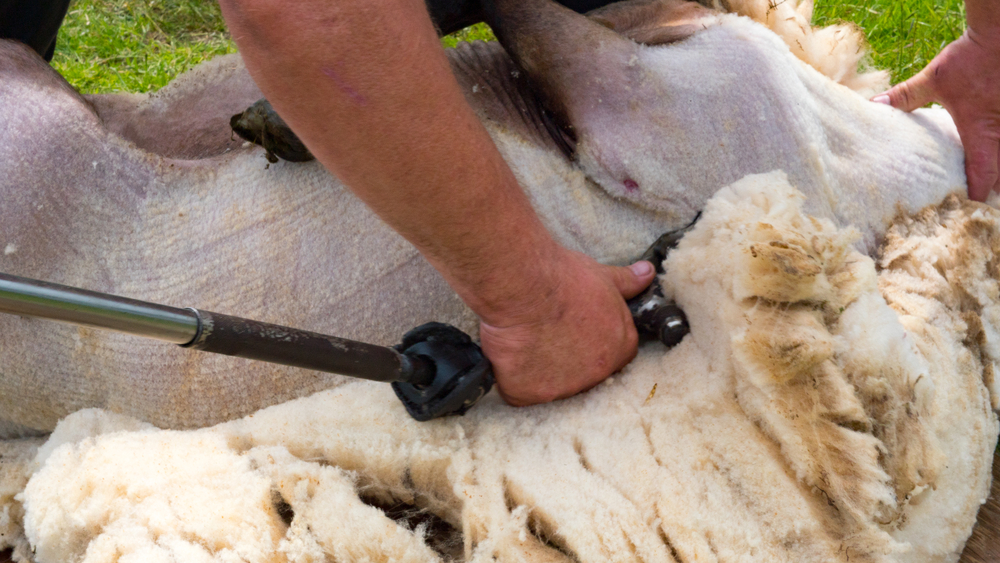
Shearing is a crucial step in gathering wool from sheep. Skilled shearers use electric clippers to carefully remove the fleece, ensuring the sheep’s comfort and well-being. This process is typically done in the spring when the sheep’s wool has grown thick.
Once sheared, the fleece is collected and cleaned to remove impurities like dirt and grease. Shearing provides the valuable wool used in textiles and benefits the sheep by preventing overheating during hot seasons and maintaining their overall health and hygiene.
Shearing involves skilled shearers using electric clippers to remove a sheep’s fleece carefully. They handle the clippers precisely, ensuring the sheep’s safety and comfort. Proper techniques and tools are essential to maintain the wool’s quality and the sheep’s well-being.
Ethical and humane shearing practices are vital to ensure the well-being of sheep. Gentle handling and using sharp, clean shearing tools prevent stress and injury. Proper care safeguards the sheep’s comfort and health, ensuring they continue to provide high-quality wool and promoting a sustainable and responsible approach to wool production.
Uses of raw sheep wool
Raw sheep wool is incredibly versatile and finds its way into numerous applications, including:
Clothing and Textiles: Its natural warmth and comfort make it a go-to choice for crafting cozy sweaters, blankets, and textiles.
Insulation: Raw sheep wool’s insulating properties are valuable for maintaining comfortable temperatures in buildings, ensuring warmth in winter and cooling in summer.
Crafts and Hobbies: Craft enthusiasts adore its texture and natural colors, using it for spinning into yarn or felting into creative projects.
Natural Fiber Products: Raw sheep wool also features mattresses, pillows, and soundproofing materials, enhancing comfort and acoustic quality. Its renewable and eco-friendly nature aligns with sustainable living choices.
Sheep’s fleece offers a sustainable and eco-friendly option. It renews yearly, biodegrades naturally, and causes no harm to the environment. This annual growth lessens the demand for synthetic alternatives while sourcing locally reduces transportation-related emissions. Opting for sheep’s fleece supports eco-friendly living and responsible resource management.
How should you care for raw sheep wool?
According to the Woolmark Company, it’s essential to start with gentle cleaning. Hand wash it in lukewarm water with a mild detergent, avoiding agitation to prevent felting. After a gentle rinse, roll it in a towel to remove excess moisture and then lay it flat to dry.
Storing it in a cool, dry place, protected from moths in an airtight container or sealed bag, is key to preserving its quality. Ensuring proper care like this can keep your raw sheep wool in excellent condition for all your crafting and textile needs.
Maintaining raw wool can be tricky. It’s prone to dust, dirt, and pests, like moths, which can harm its quality. If it gets wet, it can become moldy.
So, storing it in a clean, dry place, protected from pests and moisture, is crucial. Regularly inspecting and cleaning it will help ensure it stays in top shape for all your crafting and textile projects.
Preserving the quality of raw sheep wool products is vital. It ensures their longevity and effectiveness. Proper care and storage keep them free from damage, like moth infestations or mold, allowing you to enjoy their warmth, comfort, and eco-friendliness for years.
By safeguarding the quality of raw wool items, we make responsible and sustainable choices in our everyday lives.
Conclusion
Raw sheep wool, a natural treasure, offers many benefits. I’ve discovered that its warmth, comfort, and sustainability make it an essential resource. It plays a pivotal role in our lives, from cozy textiles to efficient insulation.
Its eco-friendliness, renewability, and biodegradability align with responsible living. I encourage everyone to explore this fascinating world. Dive into crafting, experience the softness in clothing, or revel in the warmth it provides in your home.
The possibilities are as boundless as the versatility of raw sheep wool itself. So, embrace this natural wonder, and in doing so, you enjoy its unique qualities and contribute to a more sustainable and eco-conscious lifestyle.
Also Read: How is Sheep Wool Graded?