
When do ewes give birth? Ewes, the backbone of the sheep farming industry, follow a precise and fascinating lambing cycle that determines when they give birth to their adorable lambs.
Ewes give birth, or lamb, during the late winter to early spring months, typically from late January through April. This timing aligns with natural breeding cycles and is influenced by factors such as the breed of sheep, environmental conditions, and the availability of fresh forage.
Curious to know how factors like breed and environmental conditions influence the timing of ewes giving birth? Read on to find out more about understanding the lambing cycle.

Why is it important to understand the lambing cycle?
Understanding the lambing cycle is crucial for anyone in the sheep farming business, and I can tell you it’s also made a big difference on my farm. As a shepherd, I’ve learned that knowing when ewes give birth isn’t just about the adorable lambs; it’s about ensuring the well-being of both the ewes and their newborns.
One common point to consider is that the timing of lambing can vary based on the breed of sheep and the local climate. This knowledge helps us plan, ensuring we can provide the best care possible when those little ones arrive.
Moreover, understanding the lambing cycle helps us optimize our resources. We can plan for when we’ll need extra labor and supplies, and we can make sure our ewes have the proper nutrition during their pregnancy. This not only ensures healthy lambs but also contributes to the overall success of our farm.
So, it’s not just about cute baby animals; it’s about running a responsible and efficient operation. Next, let’s dive into when ewes breed and what factors influence their reproductive cycle.
When do ewes breed, and what influences their reproductive cycle?
When do ewes breed, and what influences their reproductive cycle? As a shepherd, I’ve seen firsthand that ewes typically produce during the fall or autumn season. This natural cycle is influenced by various factors, with daylight duration being a key player.
As days shorten heading into autumn, it triggers hormonal changes in ewes, causing them to enter a state of increased fertility. This adaptation allows lambs to be born during favorable spring conditions with more abundant food.
Another important point to consider is the breed of the ewe. Different sheep breeds have varying breeding patterns and cycles, affecting their reproduction timing.
Some breeds are more adaptable to specific climates and breeding schedules, making them ideal for farming environments. Understanding these breed-specific characteristics helps us plan breeding programs effectively.
Furthermore, nutrition plays a vital role. Providing a well-balanced diet to ewes is essential for maintaining their reproductive health and optimizing breeding success. Proper nutrition ensures ewes are in the best condition for successful mating and conception.
How does the ewe’s reproductive cycle affect lambing? Let’s explore this next.
How does the ewe’s reproductive cycle affect lambing?
From my experience as a shepherd, I can tell you it’s a delicate dance between timing and care. Ewes have a pregnancy period of about five months, and it’s essential to be mindful of their reproductive cycle to ensure a smooth lambing process.
One common point to consider is that ewes usually give birth in late winter or early spring. This timing aligns with the availability of fresh forage, which is vital for nourishing the mother and her newborn lambs. It’s like nature’s ensuring plenty of food when the little ones arrive.
Additionally, the ewe’s reproductive cycle affects the size of the lambing groups. Since ewes generally mate within a specific time frame, their lambs are born within a relatively short period, making it easier for shepherds to manage and provide care.
Understanding this connection between the ewe’s reproductive cycle and lambing helps us prepare and anticipate the needs of our flock. So, how should you prepare for lambing? Let’s explore that next.
How should you prepare for lambing?
Preparing for lambing is like getting ready for a big event on the farm. As a shepherd, I’ve learned that being well-prepared is key to ensuring the health and safety of both ewes and their newborn lambs.
One thing I’ve always found important is having a lambing area ready. This should be clean, dry, and protected from the elements. It’s where ewes will give birth, so comfort matters. Make sure you have clean bedding, heat lamps for chilly nights, and a supply of clean, dry towels for drying off the newborns.
Another crucial point is having essential supplies on hand. This includes colostrum replacement for lambs, milk replacer, and any necessary medical equipment. You never know when you might need them, so it’s best to be prepared.
Additionally, having a lambing calendar can help you anticipate when ewes are due to give birth. This way, you can be on the lookout for any signs of labor and assist if needed.
Now, let’s dive into what happens during the lambing process.
What happens during the lambing process?
What happens during the lambing process? I’ve witnessed this beautiful, yet sometimes challenging, part of raising sheep. You’ll notice signs like restlessness, pawing at the ground, and sometimes vocalization when a ewe is in labor.
One common point to remember is that ewes often prefer privacy when giving birth. Keeping disturbances minimal and providing a quiet, calm environment is a good idea.
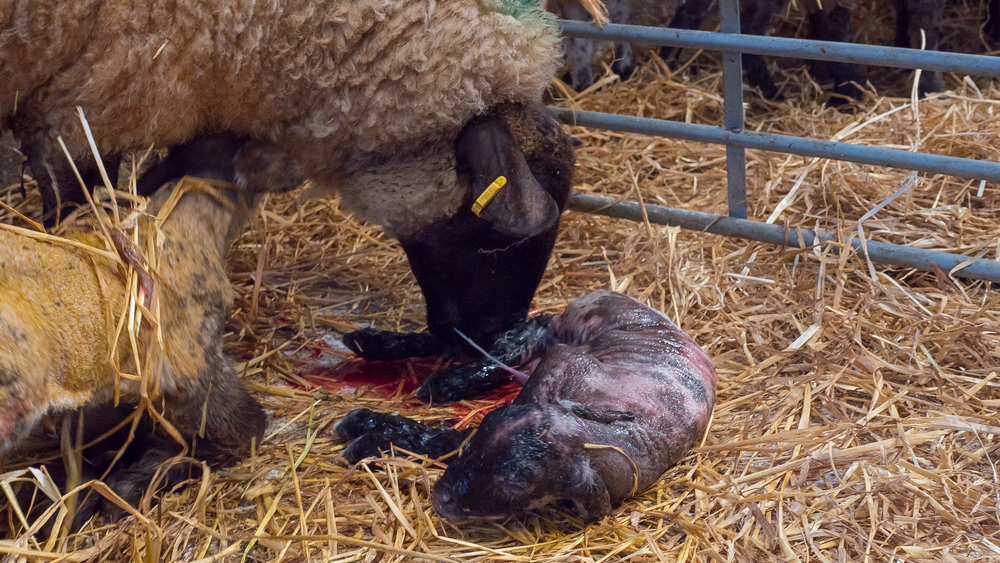
During the actual birthing, or lambing, process, ewes will typically lie down, and you’ll see the emergence of the lamb’s hooves followed by the head. This is an exciting but crucial moment, as it’s when you want to ensure everything is progressing smoothly.
Once the lamb is born, ewes usually start cleaning and caring for it immediately. However, it’s essential to be there if they need assistance or if multiple births happen simultaneously.
Now, let’s focus on how you should care for ewes and their newborn lambs after lambing.
How should you care for ewes and lambs after lambing?
Caring for ewes and their newborn lambs after lambing is critical to sheep farming. From my experience as a shepherd, I’ve learned that this phase requires diligence and attention to detail.
One common point to consider is ensuring that each lamb receives colostrum, the mother’s first milk, within the first few hours of birth. Colostrum is packed with essential nutrients and antibodies that boost the lamb’s immune system and overall health.
Another important aspect is monitoring ewes and lambs for any signs of health issues. This includes checking for signs of illness, ensuring they are nursing correctly, and staying warm and dry.
Providing proper nutrition for ewes is crucial during this time, as they need to regain their strength after giving birth. High-quality forage and, if necessary, supplemental feeding can help with this.
Additionally, it’s essential to have a plan for shelter, especially during inclement weather, to protect ewes and lambs from harsh conditions.
Now, let’s explore whether ewes can give birth at any time of the year or if they are seasonal breeders like some other animals.
Can ewes give birth at any time of the year, or are they seasonal breeders like some other animals?
Ewes, like many other animals, are typically seasonal breeders. In my years as a shepherd, I’ve observed that their breeding cycles are influenced by the changing seasons. Most ewes enter estrus, or their fertile period, in the fall, with the peak breeding season occurring during late autumn. This natural timing aligns with the availability of fresh forage in spring, ensuring that lambs are born when food is more abundant.
However, some sheep breeds have been selectively bred to have more flexible breeding cycles and can potentially breed year-round. This adaptability can be advantageous for farmers who require a continuous supply of lambs.
Many farmers use managed breeding programs to control when ewes give birth, introducing rams to the flock at specific times to synchronize lambing. This allows for better management of resources and workload.
So, while ewes are indeed seasonal breeders, selective breeding and management techniques have provided some flexibility in lambing times for different farming needs.
Key takeaways
Understanding the lambing cycle is essential for successful sheep farming. Ewes, the backbone of this industry, follow a precise reproductive schedule, typically giving birth in late winter or early spring.
This timing ensures that newborn lambs can access ample fresh forage when they arrive. Knowing when to expect lambing allows us to prepare appropriately, with clean and cozy lambing areas and essential supplies on hand.
Additionally, understanding ewes’ breed-specific variations and nutritional needs plays a significant role in optimizing breeding success.
During the lambing process, it’s crucial to respect the ewe’s need for privacy and be vigilant for signs of labor. Providing assistance when needed and ensuring each lamb receives colostrum are vital to their health and well-being.
Post-lambing care involves ongoing monitoring, proper nutrition for ewes, and shelter from adverse weather conditions. By adhering to these practices and using controlled breeding programs when necessary, we can manage the lambing cycle effectively to meet our farming goals while ensuring the welfare of our flock.
Also Read: Common Challenges During Lambing: What to Watch For?