
Pigs are known to be indiscriminate eaters. We will examine whether pigs mind what they eat and whether they’ll eat anything you give them.
Pigs are opportunistic eaters who will eat anything that is available and tastes good to them, including foods they find in their environment, such as roots, fruits, insects, rodents, and small reptiles, plus what they catch and what is given to them. Pigs have specific nutritional requirements too.
Please keep reading to learn more about what pigs eat, what their diet should contain, what they shouldn’t eat, and more about their omnivorous appetite.
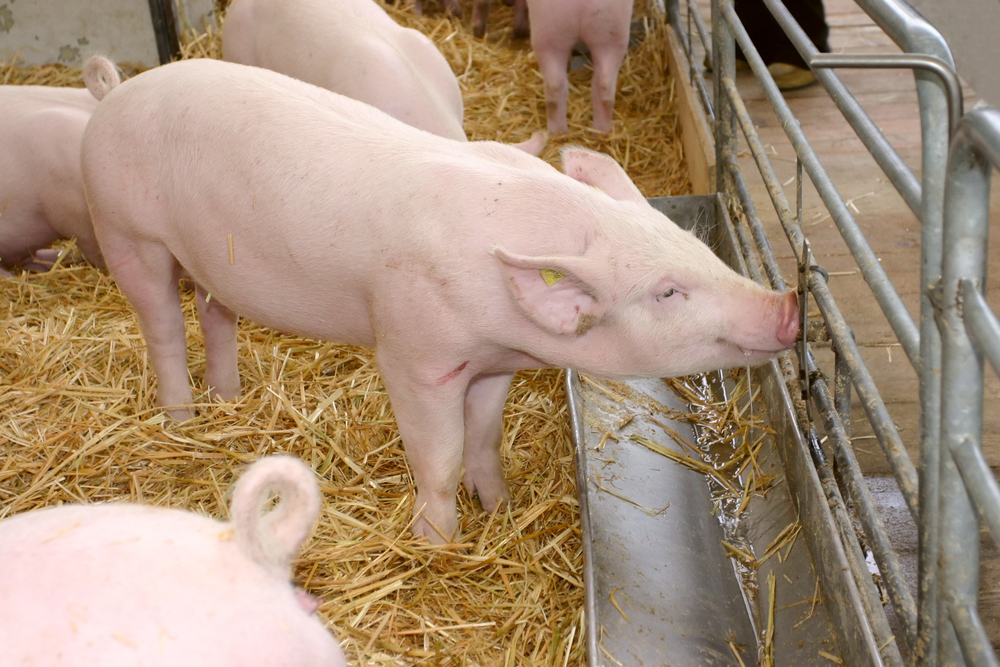
Raising and Feeding Pigs
Pigs, swine, or hogs are domesticated Suidae animals. Eurasia’s native species have been tamed for millennia. Pigs have been utilized for food, transportation, and fuel. They are raised for their meat and are one of the world’s most consumed.
Naturally smart and gregarious, pigs bond with their herd. They spend a lot of effort grooming themselves and their herd mates, despite their image as being dirty.
Pigs are omnivores that eat grains, fruits, and vegetables. Commercial pigs eat grain and soybeans. They receive growth hormones and antibiotics to enhance growth and prevent sickness.
One of the most efficient ways to convert feed to meat is pig raising, a global industry. However, intensive farming practices for large-scale pork production have been criticized for their environmental impact and pig welfare.
Recently, sustainable and compassionate pork production has grown. Free-range, organic, and heritage breeds are promoted. Ethical and sustainable pork products are also in demand.
What do pigs typically eat?
Natural Diet of Pigs
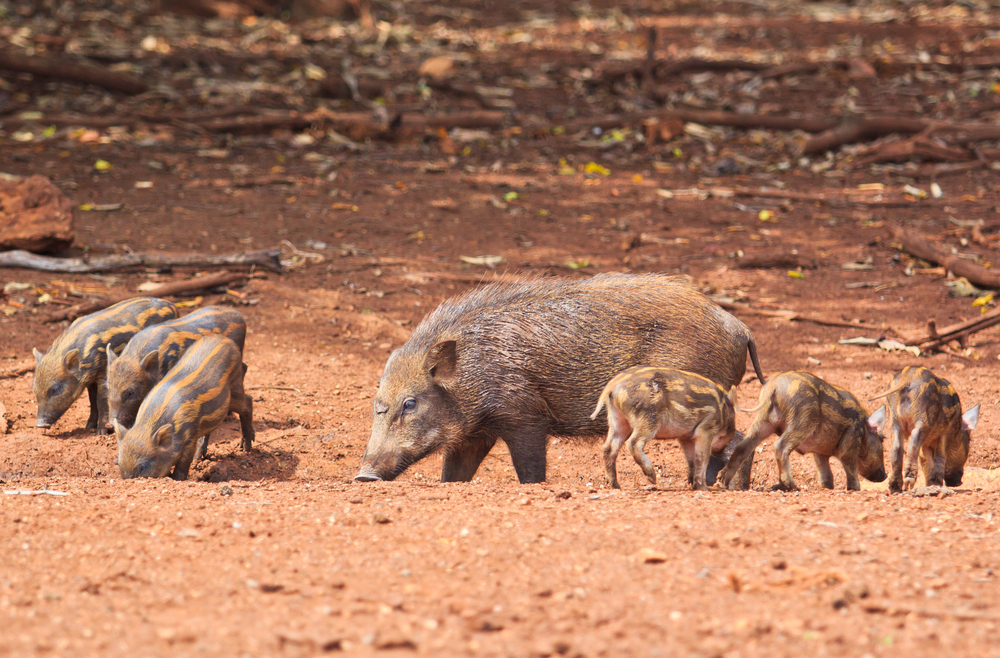
Pigs eat roots, tubers, fruits, seeds, insects, worms, and small animals. Wild boars, or wild pigs, are foragers that eat a variety of plants and animals depending on the season. They devour whatever is available.
In the wild, pigs typically eat roots, tubers, bulbs, acorns, chestnuts, and other nuts in the wild. They eat also seasonal fruits, seeds, and berries. Pigs get protein and other nutrients from insects, worms, and other invertebrates.
Known to be opportunistic carnivores, pigs also eat rodents, reptiles, and fish when they can. Pigs get protein, fat, and minerals from animal-based diets.
Pigs spend a lot of their time foraging for food in the wild. Their snouts root through soil and leaf litter to locate food, aerating the soil and spreading seeds. This behavior is known as “root-grubbing” and is an important ecological role that pigs play

Domestic Pig Diet
Domesticated pigs or swine, have a diet that consists of cereals, corn, and soybeans. These are farmers’ most common and affordable options that are formulated to meet the nutritional needs of pigs. A combination of these ingredients are mixed together and sometimes enriched with minerals, vitamins, and other nutrients.
A typical diet of this provided the necessary energy and protein for growth. For finishing pigs, there may be more protein and less energy to build muscle and increase meat quality.
Pigs can get extra protein and minerals from fish, pork, bone meal, and animal byproducts. Due to disease and animal welfare concerns, some governments have banned certain chemicals.
Farmers may also feed pigs grass, hay, or fruits and vegetables. “Pasture-based” or “outdoor” pig farming is more humane and environmentally friendly. Due to higher costs and bigger land requirements, this agricultural method is less common
Domesticated pigs eat differently than the ones in the wild. Feeding pigs a nutritionally balanced meal is cheaper and more effective than foraging, but it is not the same as their natural diet. This may affect the animal’s health negatively.
Can Pigs eat anything?
Nutritional Requirements of Pigs
Pigs need certain nutrients to grow healthily. Energy, protein, vital amino acids, minerals, and vitamins must be balanced.
Energy
Energy from Carbohydrates and Fats is the main nutritional requirement for pigs to develop and reproduce. Carbohydrates, such as corn and barley, are the main source of energy in pig diets. Fat, which is found in soybean oil and other oilseeds, can also be added to the diet to provide an additional energy source.
Protein
Protein is another nutrient needed for muscle and tissue growth. Pigs need enough protein per unit of body weight for development, reproduction, and lactation. Soybean, canola, and fish meals are the main protein sources for pigs. These protein sources supply vital amino acids for pigs’ well-being.
Minerals and Vitamins
Minerals and vitamins are also important for pigs’ overall health. They play a role in bone development, blood formation, and the immune system. Common minerals found in pig diets include calcium, phosphorus, and salt. Vitamins, such as vitamins A, D, and E, are also added to pig diets to meet their nutritional needs.
Pig farmers must balance diet ingredients and ratios to fulfill pigs’ nutritional needs at different growth stages. Health and growth depend on this balance.
Items that should not be fed to pigs.
There are items that can be harmful to pigs and should never be fed to them. Some of these include:
Spoiled or moldy feed: Toxins in spoiled feed can induce vomiting, diarrhea, and even death in pigs. Pigs should not eat spoiled feed.
Toxic plants: Hemlock, nightshade, and yew are examples. If not adequately fenced or grown in pig-grazing regions, pigs may devour these plants.
Waste and food scraps: Bacteria and other pollutants in garbage and food scraps can harm pigs. Feeding pigs garbage can also lead to harmful and hard-to-break habits like garbage digging.
Certain food: Some food should be avoided when feeding pigs such as Chocolate, avocados, and alcohol. These are unhealthy for pigs.
Medication and other chemicals: Pesticides, herbicides, and other harmful chemicals should not be fed to pigs. These can be toxic and can cause serious health problems.
It is important to be aware of these items to ensure that the feed given to pigs is safe and of good quality.
Why do pigs eat non-food items?
Pica is an abnormal habit where pigs eat non-food items such as rocks, dirt, and wood. This habit can cause gastrointestinal obstructions, mineral imbalances, and death. Addressing pica and improving pig health requires understanding the causes behind it.
Biological Reasons
One of the causes of Pica is gut microbiome imbalances, which can lead to nutritional deficiencies. The gut microbiome is a diverse community of microorganisms found in the digestive tract. It is crucial in the digestion and absorption of nutrients. An imbalance in the gut microbiome can result in nutrient malabsorption. Pigs may eat non-food items in an attempt to meet their nutritional needs as a result of this.
Genetics may also cause Pica in pigs. Foraging and appetite can be affected by genetics. Due to their desire to explore and find new stimuli, certain pigs may be genetically predisposed to eating non-food things. Genetic differences can also impact the pig’s metabolism and dietary needs, causing nutritional shortages and in turn, can lead to Pica.
Environmental Factors
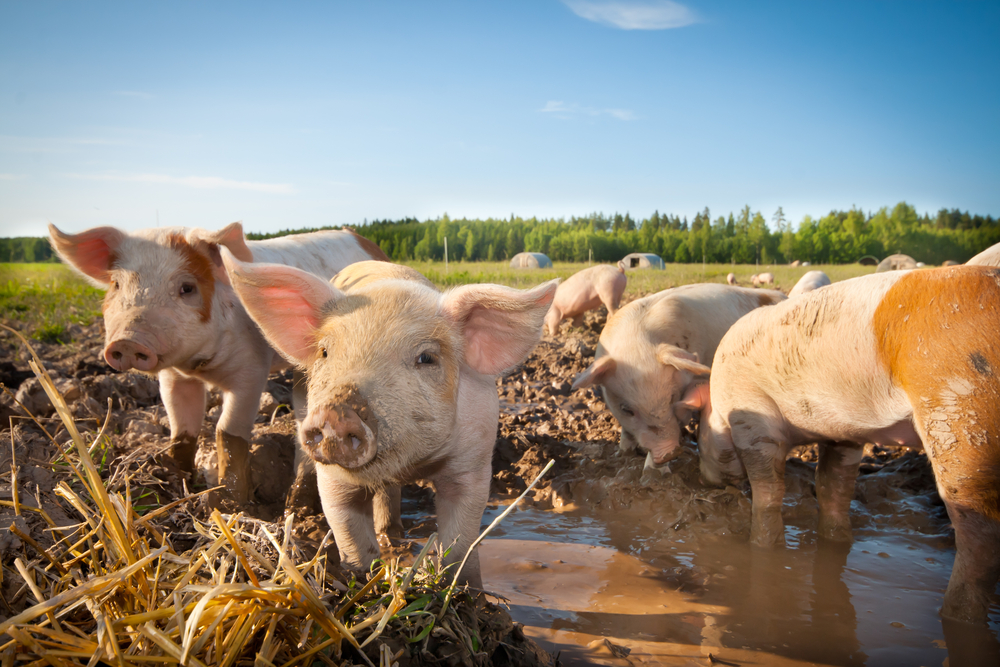
Pica in pigs can be caused by a variety of environmental factors. One of the primary causes is a lack of stimulation in their surroundings.
Pigs are naturally curious and intelligent animals, and they require a stimulating environment with a variety of textures and flavors to engage their senses and prevent boredom. When pigs do not receive sufficient environmental enrichment, they may resort to eating non-food items to stimulate their minds.
Lack of access to forage or pasture is another environmental factor that can lead to pica. Pigs are natural foragers who enjoy rooting through the soil in search of food. Pigs may eat non-food items to mimic foraging behavior when kept in confined spaces with little or no access to forage or pasture.
Pica can also be influenced by housing conditions and management practices. Pica may develop as a coping mechanism in pigs kept in overcrowded and unsanitary conditions. Furthermore, if the pigs are not given enough space to move and engage in natural behaviors, they may develop pica as stress and frustration-relieving behavior.
These environmental factors must be considered by farmers when raising pigs because they can have a significant impact on the animals’ health and well-being.
Pica can be reduced and overall health and well-being improved by providing pigs with an enriched environment, access to forage or pasture, appropriate housing conditions, and a balanced diet.
Summary – WIll pigs eat anything?
- Pigs are omnivorous animals that will eat a wide variety of food items.
- They will consume plants, fruits, and vegetables, as well as insects, worms, and small animals.
- They will also eat food scraps and garbage, as well as other non-food items if they are available. However, it is important to note that a pig’s diet should be carefully managed to ensure that they receive the proper nutrition and to prevent health problems.
- Feeding pigs a balanced and nutritious diet is essential for their growth and overall well-being. It’s also important to consider the environment and the potential harm caused by feeding them non-food items.